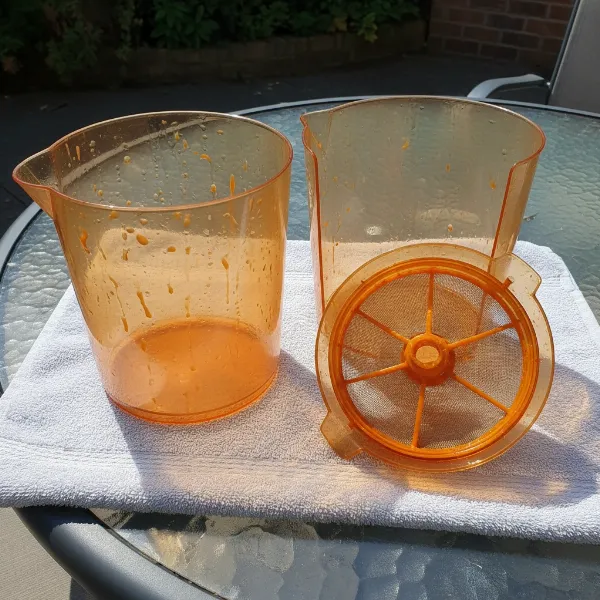
For many, a juicer is an indispensable kitchen appliance, transforming fresh produce into nutrient-rich beverages. But when your juicer’s motor starts to overheat, emitting strange smells or shutting down unexpectedly, it can be a frustrating and potentially costly problem. Understanding why your juicer’s motor overheats and how to address it is crucial for maintaining its performance and extending its lifespan.
Whether you’re a seasoned juicing enthusiast or new to the world of freshpressed drinks, knowing the common culprits behind an overheating motor can help you proactively prevent issues and effectively troubleshoot them when they arise. This guide will delve into the causes of juicer motor overheating, provide practical troubleshooting steps, and offer expert tips to keep your machine running cool and efficiently for years to come.
Understanding Juicer Motor Overheating: Why It Happens
At the heart of every juicer is an electric motor, a powerhouse designed to process fruits and vegetables into juice. This motor generates heat as it works, a natural byproduct of converting electrical energy into mechanical energy. However, when the heat generated exceeds the motor’s ability to dissipate it, overheating occurs. This can manifest as a warm casing, an unusual burning smell, or the machine automatically shutting off as a safety measure.
Overheating is more than just an inconvenience; it can significantly reduce your juicer’s efficiency, negatively affect the taste and nutritional quality of your juice, and most importantly, cause permanent damage to the motor and internal components, drastically shortening the appliance’s life. Recognizing the signs early and understanding the underlying reasons is the first step in effective troubleshooting.
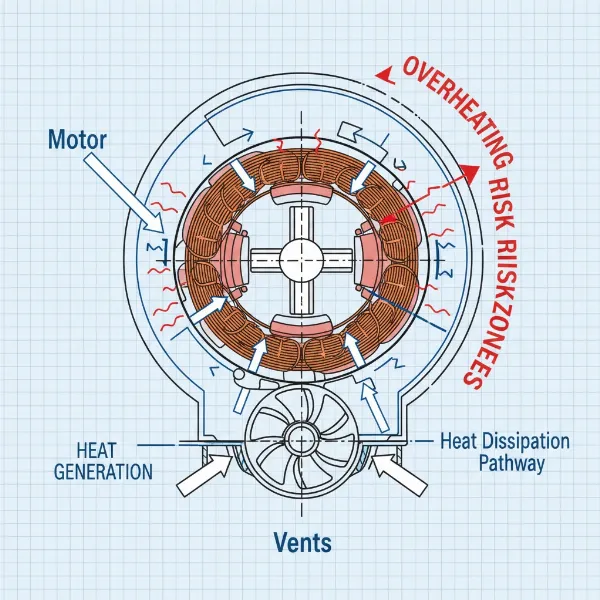 Diagram illustrating the internal components of a juicer motor and potential overheating areas.
Common Causes of Juicer Motor Overheating
Several factors can contribute to a juicer motor getting excessively hot. Identifying the specific cause is key to resolving the problem.
Overloading and Continuous Use
|
Our Picks for the Best Juicer in 2026
As an Amazon Associate I earn from qualifying purchases.
|
||
| Num | Product | Action |
|---|---|---|
| 1 | Cold Press Juicer, Juicer Machines with 5.4" Wide Feed Chute for Juice Extractor, Professional Slow Masticating Juicer for Whole Vegetables & Fruits with High Juice Yield, Easy to Clean (Black) |

|
| 2 | Qcen Juicer Machine, 500W Centrifugal Juicer Extractor with Wide Mouth 3” Feed Chute for Fruit Vegetable, Easy to Clean, Stainless Steel, BPA-free (Black) |
|
| 3 | juicer machines with 5.8" Large Feed Chute, Slow masticating cold press juicer for Whole Fruits & Vegetables, easy to clean Design, High Juice Yield Home juicer for Daily Wellness |
|
| 4 | Qcen Juicer Machine, 800W Centrifugal Juicer Extractor with Wide Mouth 3” Feed Chute for Fruit Vegetable, Easy to Clean, Stainless Steel, BPA-free (Black) |
|
| 5 | Ninja NeverClog Cold Press Juicer, Powerful Slow Juicer with Total Pulp Control, Countertop, Electric, 2 Pulp Functions, Dishwasher Safe, 2nd Generation, Charcoal, JC151 |
|
| 6 | Magic Bullet Mini Juicer with Cup, Black and Silver |
|
| 7 | BLACK+DECKER 32oz Electric Citrus Juicer, CJ625, Pressure Activated, Adjustable Pulp Control, Dishwasher-Safe |
|
| 8 | Zulay Kitchen Cast Iron Juicer - Easy-to-Clean Heavy-Duty Manual Juicer, Professional Citrus Juicer - Stainless Steel Lemon Squeezer - Manual Citrus Press & Orange Squeezer - Orange Juicer (Black) |
|
| 9 | Juicer Machines with 5.8" Large Feed Chute, Cold Press Juicer for Whole Vegetables and Fruits 400W, Slow Masticating juicer Easy to Clean Juice Extractor Machine High Juice Yield |
|
| 10 | Juicer Machines, Juilist 3" Wide Mouth Juicer Extractor Max Power 800W, for Vegetable and Fruit with 3-Speed Setting, 400W Motor, Easy to Clean |
|
One of the most frequent reasons for overheating is pushing your juicer beyond its limits. Feeding too much produce into the chute at once, or continuously juicing for extended periods, forces the motor to work harder than it’s designed to. Many manufacturers recommend limiting continuous operation to around 30 minutes, followed by a cooling period, to prevent motor strain. Centrifugal juicers, with their high-speed blades, are particularly susceptible to heat buildup during prolonged use.
Poor Ventilation and Heat Dissipation
Just like any electronic device, a juicer motor needs proper airflow to cool down. If the ventilation holes on your juicer are blocked by dust, debris, or if the machine is placed in a confined space without adequate room for air circulation (e.g., pushed against a wall or in a tight corner), heat can become trapped. Faulty internal cooling fans or poorly designed heat dissipation channels can also exacerbate this issue, leading to rapid temperature increases.
Clogs and Ingredient Issues
Clogging is a common problem, especially with fibrous greens or soft fruits. When the juicing mechanism gets jammed, the motor struggles to push the produce through, leading to increased resistance and heat. Mincing fibrous vegetables before feeding them into the juicer and alternating soft fruits with harder ones can help prevent blockages and reduce motor strain. Rushing the juicing process and not allowing the machine to clear ingredients can also contribute to clogs and subsequent overheating.
Electrical Problems
While less common for the average user, underlying electrical issues can cause motor overheating. Incorrect voltage—either too low or too high—can force the motor to draw more current or run improperly, leading to excess heat. Degradation of motor windings due to low resistance or frequent start-stop cycles can also lead to internal short-circuits and significant heat generation, often accompanied by a distinct burning smell.
Environmental Factors and Mechanical Wear
Operating your juicer in an overly warm environment, or even in direct sunlight, can make it harder for the motor to cool itself effectively. Additionally, like any mechanical component, a juicer motor’s internal parts, such as bearings, can experience wear and tear over time. Insufficient or improper lubrication of these moving parts can increase friction, generating more heat and potentially leading to premature motor failure.
> “Understanding your juicer’s limitations and giving it proper rest is as important as the quality of your produce. A strained motor is an unhappy motor, destined for an early retirement.” – Sarah Jenkins, Kitchen Appliance Expert
Step-by-Step Troubleshooting for an Overheating Juicer Motor
When your juicer motor overheats, immediate action can prevent further damage. Follow these steps to diagnose and potentially resolve the issue:
- Immediate Shutdown and Disconnect: As soon as you notice signs of overheating (burning smell, unusual noise, automatic shutdown), immediately turn off and unplug the juicer from the power outlet.
- Allow for Cooling: Let the juicer cool down completely before attempting any further steps. This might take 20-30 minutes, or even longer depending on the severity of the overheating. Do not try to restart it until it’s cool to the touch.
- Check Ventilation: Inspect all ventilation holes on the motor base. Ensure they are clear of dust, debris, or food particles. Use a small brush or a can of compressed air to gently clean them. Make sure the juicer is placed on a stable surface with ample space around it for air circulation.
- Inspect for Clogs: Disassemble the juicer parts according to your user manual. Carefully check the feeding chute, auger (for masticating juicers), shredding disc and filter basket (for centrifugal juicers), and pulp ejection chute for any blockages. Remove any trapped pulp or produce.
- Assess Usage Patterns: Reflect on how you were using the juicer when it overheated. Were you juicing continuously for a long time? Did you overfill the chute? Were you processing particularly hard or fibrous ingredients without pre-cutting them? Adjusting these habits can often prevent recurrence.
- Verify Assembly: Ensure all parts are correctly assembled. A misaligned component can increase friction and put extra strain on the motor.
- Check Power Supply: While less common, ensure the power outlet is functioning correctly and providing the appropriate voltage. If possible, try plugging the juicer into a different outlet.
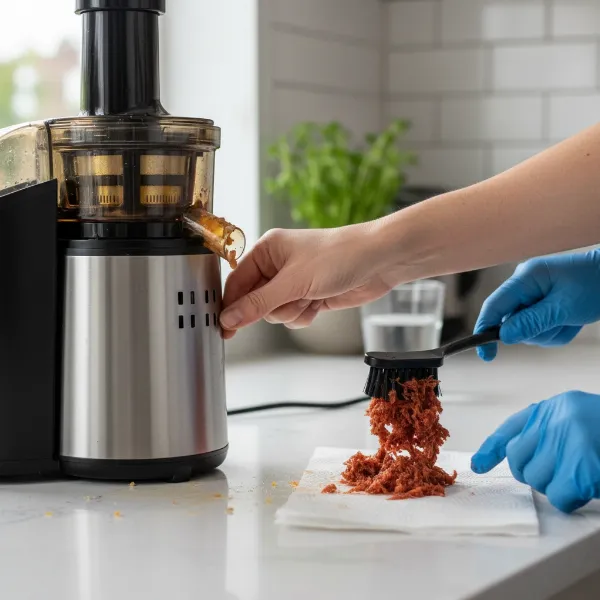 A person troubleshooting an overheating juicer by checking ventilation and clogs.
Preventative Measures to Keep Your Juicer Running Cool
Prevention is always better than cure. By adopting good juicing habits and maintaining your appliance, you can significantly reduce the risk of motor overheating.
- Mindful Juicing Practices:
- Portion Control: Feed produce in small, manageable pieces, allowing the motor to process each batch fully before adding more.
- Vary Ingredients: When juicing fibrous greens or soft fruits, alternate them with harder, water-rich produce (like apples or carrots) to help push pulp through and prevent clogging.
- Respect Duty Cycles: Consult your juicer’s manual for recommended continuous run times (often 10-30 minutes). Give the motor adequate cooling breaks between long juicing sessions.
- Pre-Cut Produce: Chop hard or fibrous ingredients into smaller pieces to ease the motor’s workload.
- Ensuring Optimal Airflow and Cleanliness:
- Strategic Placement: Always place your juicer on a flat, stable surface, away from walls or other appliances that might block its ventilation ports. Ensure several inches of clear space around the motor base.
- Regular Cleaning: Routinely clean the exterior of your juicer, especially the motor base and ventilation openings, to prevent dust and debris buildup. After each use, thoroughly clean all removable juicing components to avoid pulp accumulation that could lead to clogs.
- Regular Maintenance and Inspection:
- Check for Wear: Periodically inspect the auger, filter, and other moving parts for signs of wear or damage. Worn components can increase friction and strain the motor.
- Follow Lubrication Guidelines: If your juicer requires specific lubrication (check the manual), ensure it’s done correctly and with the right type of lubricant. While less common for home juicers, it’s crucial for any motor with moving parts.
When to Seek Professional Repair or Consider a New Juicer
Despite your best troubleshooting and preventative efforts, sometimes the problem persists. Knowing when to call in a professional or invest in a new appliance can save you time, money, and further frustration.
- Persistent Overheating: If your juicer continues to overheat even after following all troubleshooting steps and adopting preventative measures, it might indicate a deeper internal issue.
- Burning Smell or Smoke: A persistent burning smell or, worse, visible smoke from the motor indicates a serious electrical problem or motor damage. Discontinue use immediately and do not attempt to operate it again.
- Loud, Unusual Noises: Grinding, screeching, or unusually loud whirring noises from the motor can signify worn-out bearings, gears, or other internal damage that typically requires professional attention.
- Age of the Juicer: Older juicers, especially those heavily used, are more prone to mechanical wear and electrical component degradation. At some point, the cost of repair may outweigh the value of the appliance.
- Cost-Benefit Analysis: Get an estimate for repair. If the repair cost is more than half the price of a new, comparable juicer, it might be more economical in the long run to invest in a new model with a fresh warranty and updated technology.
> “A healthy juicer is a well-maintained juicer. Neglecting regular cleaning and proper usage is a shortcut to an early breakdown and a burning smell in your kitchen.” – JuicerBest.com Admin, Over 10 Years of Juicer Expertise
Expert Tips for Extending Your Juicer’s Lifespan
As an Admin with over 10 years of specialized experience in juicers, I’ve seen countless machines come and go. Here are some invaluable tips to ensure your juicer serves you faithfully for years:
- Read the Manual: This might seem basic, but your juicer’s manual contains specific instructions for use, cleaning, and maintenance unique to your model. Adhering to these guidelines is paramount.
- Proper Assembly is Key: Always ensure all parts are correctly aligned and locked into place before operation. Incorrect assembly can put undue stress on the motor and other components.
- Listen to Your Machine: Pay attention to how your juicer sounds. Any changes in motor noise, increased vibration, or struggling sounds are early indicators of potential issues.
- Don’t Force It: If the juicer is struggling with a piece of produce, don’t force it down the chute. Remove the item, cut it smaller, or alternate it with softer ingredients.
- Prompt Cleaning: Clean your juicer immediately after use. Dried pulp is significantly harder to remove and can lead to stubborn clogs and hygiene issues.
- Smart Storage: Store your juicer in a clean, dry place, disassembled if recommended by the manufacturer. Keep it away from extreme temperatures.
- Quality Over Quantity: While tempting to juice large batches, remember that shorter, more frequent sessions with breaks are often better for your motor than one long, arduous session.
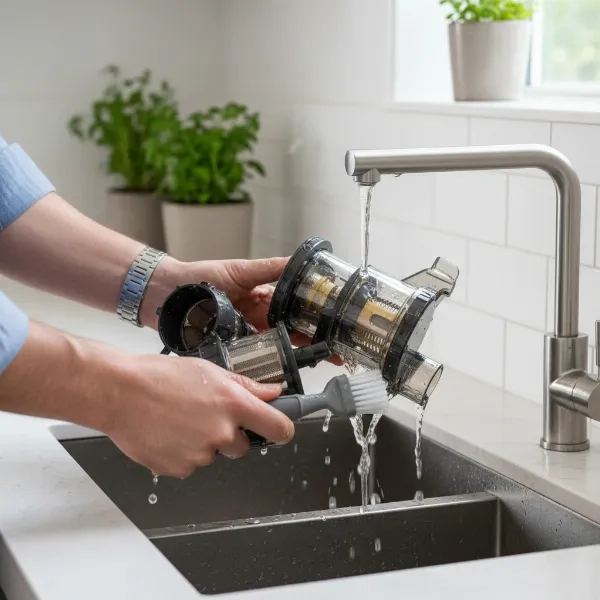 Someone cleaning juicer parts after use to prevent overheating and maintain lifespan.
Conclusion
An overheating juicer motor is a clear signal that your appliance is under strain. By understanding the common causes—from overloading and poor ventilation to clogs and electrical anomalies—you can quickly troubleshoot issues and implement preventative measures. Regular maintenance, mindful juicing practices, and knowing when to seek professional help or consider a replacement are all vital for keeping your juicer in optimal condition.
Investing a little time in understanding and caring for your juicer will pay dividends, ensuring you can continue to enjoy fresh, delicious, and nutrient-packed juices for a long time. Don’t let an overheating motor put a halt to your healthy habits; empower yourself with the knowledge to keep your juicer running cool and efficiently. What proactive steps will you take today to extend your juicer’s life?
Frequently Asked Questions
Why does my juicer smell like burning plastic?
A burning plastic smell often indicates severe motor overheating, usually due to excessive load, prolonged use, or an internal electrical fault. Stop using the juicer immediately, unplug it, and allow it to cool down completely. If the smell persists upon restarting, or if any smoke is visible, it’s crucial to seek professional repair as internal damage has likely occurred.
Can I run my juicer for more than 30 minutes continuously?
Most household juicers are not designed for continuous operation exceeding 10-30 minutes. Running them longer risks motor overheating and damage. Always check your specific model’s manual for recommended run times and allow for adequate cooling periods (typically 20-30 minutes) between extended juicing sessions to protect the motor.
My juicer keeps shutting off mid-operation. Is it overheating?
Automatic shutdown is a common safety feature in many juicers designed to prevent motor damage from overheating or overloading. If your juicer frequently shuts off, it’s highly likely the motor is either getting too hot or encountering too much resistance (e.g., from a clog). Allow it to cool, check for blockages, and reduce the load.
How do centrifugal and masticating juicers differ in terms of overheating?
Centrifugal juicers, with their high-speed spinning blades, naturally generate more heat and can overheat more easily during prolonged use or with tough ingredients. Masticating (slow) juicers operate at lower speeds, producing less heat and minimizing oxidation, making them generally less prone to overheating from continuous operation, though they can still overheat from clogs or overloading.
What should I do if my juicer motor is hot but there’s no burning smell?
A warm motor is normal during operation, but if it feels excessively hot without a burning smell, it likely indicates it’s working harder than usual or has insufficient ventilation. Ensure vents are clear and the juicer has space for airflow. Reduce the amount of produce you’re feeding at once, take breaks, and allow the motor to cool down.
Is it okay to put ice or frozen fruit in my juicer to prevent overheating?
It is generally not recommended to put ice or frozen fruits directly into most juicers, especially centrifugal models, as this can severely strain the motor and potentially damage the blades or auger. Always refer to your juicer’s manual. If you want cold juice, chill your produce beforehand or add ice to the finished juice.
How can I tell if my juicer motor is failing permanently?
Signs of permanent motor failure include recurring overheating despite troubleshooting, grinding or sparking noises, a strong electrical burning smell even after cooling, the motor failing to start entirely, or smoking. If you observe these symptoms, the motor is likely beyond simple repair, and it’s time to consider replacing the juicer.