Have you ever wondered if that vibrant green drink sweeping social media is truly a miracle cure or just another fleeting health fad? For years, celery juice has been lauded by wellness gurus and celebrities alike, promising everything from glowing skin to disease reversal. But what does science really say about this popular beverage? As someone with over a decade of experience in the juicing industry, I’ve seen countless trends come and go, and I’m here to provide a clear, unbiased look at celery juice, helping you separate fact from fiction.
The Rise of Celery Juice: Understanding the Hype
Celery juice experienced a meteoric rise in popularity, fueled largely by social media and celebrity endorsements. It became synonymous with detoxes and morning rituals, with proponents claiming it could radically transform health by addressing a myriad of ailments. The enthusiasm created a perception of celery juice as a potent elixir, capable of delivering extraordinary healing benefits that go far beyond what traditional medicine offers. This surge in interest has naturally led many to question the validity of these bold claims and seek a more evidence-based perspective on its true capabilities.
 A glass of vibrant green celery juice, surrounded by celery stalks and a smartphone displaying social media
Scientifically-Backed Benefits of Celery Juice
While celery juice may not be the panacea some claim, it undeniably offers several valuable nutrients and potential health benefits when consumed as part of a balanced diet. It’s essential to appreciate celery for its inherent goodness.
Rich in Vitamins and Minerals
|
Our Picks for the Best Juicer in 2026
As an Amazon Associate I earn from qualifying purchases.
|
||
| Num | Product | Action |
|---|---|---|
| 1 | Magic Bullet Mini Juicer with Cup, Black and Silver |

|
| 2 | Cold Press Juicer, Juicer Machines with 5.4" Wide Feed Chute for Juice Extractor, Professional Slow Masticating Juicer for Whole Vegetables & Fruits with High Juice Yield, Easy to Clean (Black) |
|
| 3 | Zulay Kitchen Cast Iron Juicer - Easy-to-Clean Heavy-Duty Manual Juicer, Professional Citrus Juicer - Stainless Steel Lemon Squeezer - Manual Citrus Press & Orange Squeezer - Orange Juicer (Black) |
|
| 4 | juicer machines with 5.8" Large Feed Chute, Slow masticating cold press juicer for Whole Fruits & Vegetables, easy to clean Design, High Juice Yield Home juicer for Daily Wellness |
|
| 5 | Ninja NeverClog Cold Press Juicer, Powerful Slow Juicer with Total Pulp Control, Countertop, Electric, 2 Pulp Functions, Dishwasher Safe, 2nd Generation, Charcoal, JC151 |
|
| 6 | Juicer Machines, Juilist 3" Wide Mouth Juicer Extractor Max Power 800W, for Vegetable and Fruit with 3-Speed Setting, 400W Motor, Easy to Clean |
|
| 7 | BLACK+DECKER 32oz Electric Citrus Juicer, CJ625, Pressure Activated, Adjustable Pulp Control, Dishwasher-Safe |
|
| 8 | Qcen Juicer Machine, 500W Centrifugal Juicer Extractor with Wide Mouth 3” Feed Chute for Fruit Vegetable, Easy to Clean, Stainless Steel, BPA-free (Black) |
|
| 9 | Qcen Juicer Machine, 800W Centrifugal Juicer Extractor with Wide Mouth 3” Feed Chute for Fruit Vegetable, Easy to Clean, Stainless Steel, BPA-free (Black) |
|
| 10 | Juicer Machines with 5.8" Large Feed Chute, Cold Press Juicer for Whole Vegetables and Fruits 400W, Slow Masticating juicer Easy to Clean Juice Extractor Machine High Juice Yield |
|
Celery juice is a good source of several essential vitamins and minerals, including vitamin K, vitamin A, vitamin C, folate (vitamin B9), and potassium. A 10-ounce serving, for example, can provide a significant portion of your daily recommended intake for vitamin K and folate. These nutrients are vital for various bodily functions, from blood clotting and bone health to cell growth and electrolyte balance.
Powerful Antioxidant Properties
Celery contains a wealth of plant compounds known as phytonutrients, such as phenolic acids, flavones, and flavonols, including apigenin and luteolin. These compounds act as powerful antioxidants, helping to protect your cells from damage caused by unstable molecules called free radicals. Diets rich in antioxidants are associated with a reduced risk of chronic conditions like heart disease, certain cancers, and diabetes.
Anti-Inflammatory Effects
Among its most notable benefits are its anti-inflammatory properties. Research indicates that certain phytochemicals extracted from celery, such as flavonoids, possess anti-inflammatory effects by disrupting the body’s immune response. This can be particularly beneficial in managing conditions characterized by inflammation, like rheumatoid arthritis. These compounds work to reduce the activity of proinflammatory cytokines, thereby easing inflammation throughout the body.
Potential for Blood Pressure Regulation
Celery contains compounds called phthalides, which may contribute to cardiovascular health. Phthalides are believed to help relax the smooth muscles within blood vessel walls, potentially leading to lower blood pressure. While large-scale human trials are still needed, some smaller studies have observed a reduction in systolic and diastolic blood pressure in individuals with hypertension after consuming celery juice.
Hydration Support
Given that celery is primarily composed of water, its juice is an excellent way to boost your daily fluid intake. Adequate hydration is crucial for overall health, supporting essential functions such as maintaining body temperature, regulating blood pressure, aiding brain function, and facilitating nutrient delivery and waste excretion. Drinking celery juice can contribute to staying well-hydrated, which in turn supports the proper functioning of your digestive system, kidneys, and skin.
Digestive Aid
While juicing removes most of the fiber, the hydrating nature of celery juice can still indirectly support digestion. It may stimulate the production of stomach acid and digestive enzymes, potentially enhancing the breakdown of food and nutrient absorption. Some individuals also report anecdotal relief from bloating, indigestion, and constipation, possibly due to its hydrating and mild laxative effects.
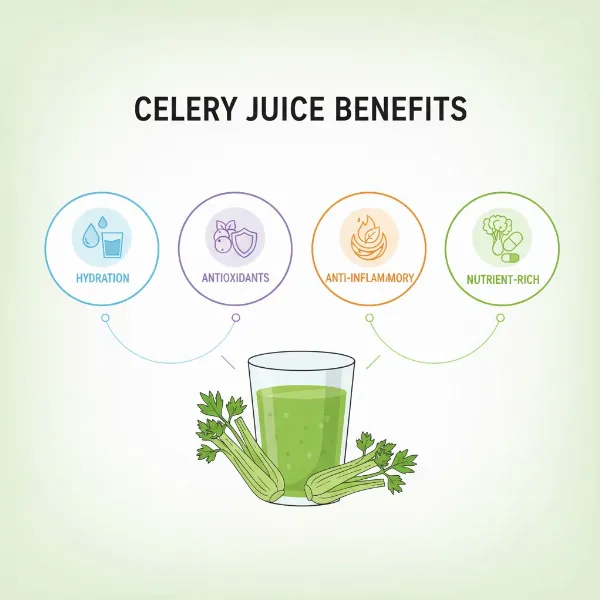 A colorful infographic illustrating the key health benefits of celery juice
Debunking the “Miracle Cure” Claims
Despite its genuine nutritional value, many of the sensational claims surrounding celery juice lack robust scientific backing. It’s crucial to approach these assertions with a healthy dose of skepticism to avoid potential disappointments or even risks.
Detoxification and Cleansing
One of the most persistent myths is that celery juice can “detoxify” the body or cleanse the liver. Health professionals generally agree that the human body possesses sophisticated, built-in detoxification systems—primarily the liver and kidneys—that efficiently remove toxins. There is no scientific evidence to support the idea that juice cleanses, including celery juice, can enhance or magically “fix” these natural processes. A balanced diet and healthy lifestyle are the true keys to supporting your body’s innate detox mechanisms.
Weight Loss
While celery juice is low in calories, the claim that it’s a direct aid for weight loss is largely unsubstantiated. Juicing strips away the beneficial fiber found in whole celery, which is crucial for promoting satiety and stabilizing blood sugar levels. Without this fiber, you may feel hungry sooner, potentially leading to increased overall calorie intake. For weight management, whole celery, with its intact fiber, offers greater benefits by helping you feel full and satisfied.
Curing Chronic Illnesses
Perhaps the most exaggerated claims involve celery juice’s purported ability to cure or reverse chronic conditions such as autoimmune diseases, specific cancers, migraines, eczema, or even lower blood sugar in a miraculous way. Experts emphasize that there is insufficient scientific data from large-scale, controlled human trials to support these extraordinary therapeutic claims. Relying solely on celery juice for serious medical conditions can be dangerous and may lead individuals to forgo proven medical treatments.
“Cluster Salts” and Other Unsubstantiated Theories
Some proponents of celery juice refer to “undiscovered cluster salts” within celery as the source of its miraculous healing power. However, these theories are not recognized or supported by the broader scientific and medical communities. The benefits attributed to celery come from its known vitamins, minerals, and phytonutrients, not from unknown compounds.
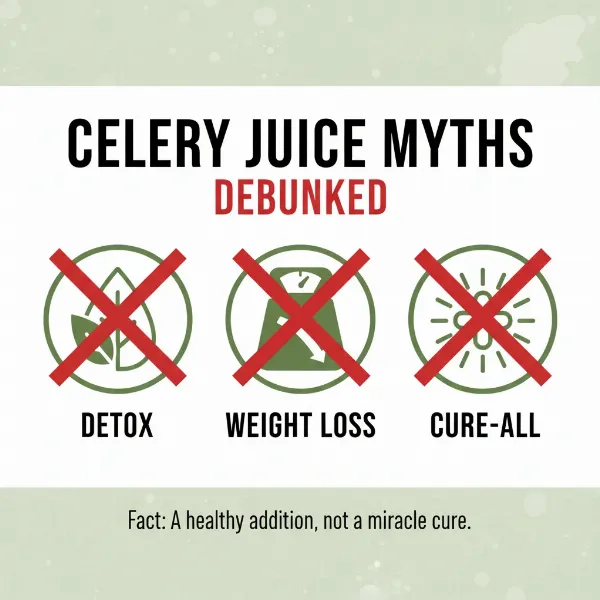 A graphic showing debunked myths about celery juice, such as "detox" and "miracle cure" with a red cross over them
Potential Side Effects and Risks
While generally safe for most people in moderation, excessive consumption of celery juice or its use by individuals with certain conditions can lead to adverse effects. Understanding these risks is vital for safe incorporation into your diet.
Loss of Dietary Fiber
One of the primary downsides of juicing celery is the significant reduction in dietary fiber. Fiber is crucial for digestive health, blood sugar regulation, and promoting a feeling of fullness. When juiced, celery’s beneficial fiber is largely discarded, making the juice less satiating and potentially leading to less stable blood sugar compared to consuming whole celery.
Medication Interactions
Celery, particularly in concentrated juice form, contains vitamin K, which can interfere with blood-thinning medications like warfarin. People on such medication should consult their doctor before regularly consuming celery juice to avoid potentially dangerous interactions. Additionally, if you are on medication for low blood pressure, celery’s natural hypotensive properties could cause your blood pressure to drop too much.
Digestive Discomfort
Some individuals may experience digestive issues such as bloating, gas, or diarrhea after drinking celery juice, especially if consumed in large quantities or by those with sensitive digestive systems like irritable bowel syndrome (IBS). The starch in celery can ferment in the gut, leading to discomfort for some.
Photosensitivity
Celery contains compounds called psoralens, which can increase the skin’s sensitivity to ultraviolet (UV) light. Consuming large amounts of celery juice may elevate the risk of phytophotodermatitis, leading to increased susceptibility to sunburn, rashes, or other skin damage, particularly after sun exposure.
Kidney Stone Risk
For individuals prone to kidney stones, the oxalate content in celery can be a concern. Oxalates are natural compounds that can contribute to the formation of kidney stones. If you have a history of kidney-related issues, it’s advisable to consult a healthcare professional before making celery juice a regular part of your diet.
Allergic Reactions
Celery is a known allergen for some people. Symptoms can range from mild itching or swelling in the mouth to more severe reactions like hives, digestive upset, respiratory problems, or, in rare cases, anaphylaxis, a life-threatening allergic reaction. If you suspect a celery allergy, it is best to avoid the juice entirely.
 A graphic warning about potential risks and side effects of celery juice, like medication interactions and skin sensitivity
How to Safely Incorporate Celery Juice into Your Diet
If you’re interested in enjoying celery juice, it’s best to do so safely and realistically, integrating it as a complement to your overall eating habits rather than relying on it as a sole solution.
Moderation is Key
Most health experts recommend consuming celery juice in moderation, typically around 4 to 8 ounces (118 to 236 ml) per day. This allows your body to adjust and minimizes the risk of potential side effects. Starting with a smaller amount and gradually increasing it if tolerated is a sensible approach.
Part of a Balanced Diet
Celery juice should be viewed as a supplement to an already balanced diet, not a meal replacement. Ensure you are still getting adequate protein, fiber, healthy fats, and a wide variety of whole fruits and vegetables from other sources. A juice cleanse involving only celery juice for extended periods can lead to nutrient deficiencies, fatigue, dehydration, and other undesirable side effects.
Consider Whole Celery for Fiber
To reap the full spectrum of celery’s benefits, including its essential fiber, consider eating whole celery stalks. You can add chopped celery to salads, stir-fries, soups, or enjoy it as a crunchy snack with hummus or nut butter. Blending whole celery into a smoothie (without straining) is another excellent way to retain its fiber content.
Consult a Healthcare Professional
Before making any significant dietary changes, especially if you have pre-existing health conditions, are pregnant, or are taking medications (such as blood thinners or blood pressure drugs), it is crucial to consult with a healthcare provider. They can offer personalized advice based on your individual health profile and potential interactions.
Organic Celery & Washing
When possible, opt for organic celery to reduce exposure to pesticides. Regardless of whether it’s organic or conventional, always thoroughly wash celery stalks before juicing or consumption to remove dirt and surface contaminants.
Beyond the Juice: The Value of Whole Celery
While celery juice has captured the spotlight, it’s important not to overlook the humble, whole celery stalk. Eating whole celery offers a more complete nutritional package. It provides all the vitamins, minerals, and antioxidants found in the juice, plus the invaluable dietary fiber that is largely lost during juicing. This fiber is essential for gut health, promoting regular bowel movements, aiding in satiety, and helping to manage cholesterol and blood sugar levels. Incorporating whole celery into your meals is an excellent way to benefit from this versatile vegetable without falling prey to exaggerated claims.
 A vibrant image of fresh, whole celery stalks with roots, emphasizing its natural goodness and fiber content
Conclusion
Celery juice, while not a magical cure-all, is a hydrating and nutrient-rich beverage that can offer genuine health benefits, including anti-inflammatory and antioxidant properties, and potential support for blood pressure regulation. However, it’s vital to differentiate these scientifically supported advantages from the unsubstantiated claims of “detoxification” or disease reversal. The trend has undeniably brought attention to a healthy vegetable, but much of the “miracle cure” narrative surrounding the juice is not backed by robust scientific evidence.
For optimal health, consider celery juice as a beneficial addition to a well-rounded diet, consumed in moderation. Remember that the fiber-rich whole celery often provides more comprehensive benefits. Always consult with a healthcare professional before making drastic dietary changes, especially if you have underlying health conditions or are on medication. By embracing a balanced perspective, you can make informed choices about incorporating celery juice into your lifestyle. What role will celery juice play in your pursuit of health and well-being?
Frequently Asked Questions
Is celery juice good for inflammation?
Yes, celery juice contains powerful phytonutrients and antioxidants, such as flavonoids and vitamin C, which have demonstrated anti-inflammatory properties. These compounds can help reduce oxidative stress and ease inflammation in the body when consumed regularly as part of a healthy diet.
Can celery juice help with weight loss?
While low in calories, celery juice is not a miracle solution for weight loss. Juicing removes most of celery’s fiber, which is crucial for promoting fullness and satiety. For effective weight management, consuming whole celery or incorporating it into a balanced diet with other fiber-rich foods is generally more beneficial.
What are the main downsides of drinking celery juice?
The main downsides include the loss of beneficial dietary fiber during juicing, potential interactions with certain medications (like blood thinners due to vitamin K content), and possible digestive discomfort such as bloating or diarrhea for some individuals. It can also cause increased skin sensitivity to sunlight due to psoralens.
Should I drink celery juice on an empty stomach?
There is insufficient scientific evidence to support the claim that drinking celery juice on an empty stomach enhances its health benefits. While some proponents suggest it, consuming it at any time as part of your daily routine is likely to provide similar nutritional advantages.
Is whole celery better than celery juice?
In many ways, yes. Whole celery provides the full spectrum of nutrients, including all the beneficial dietary fiber that is largely removed during juicing. This fiber is vital for digestive health, blood sugar control, and prolonged satiety, making whole celery a more complete and often more beneficial option for overall health.