So, you’re standing at a wellness crossroads, a green vegetable in one hand, ambition in the other, and you’re faced with the million-dollar question: Juicer Vs Blender For Health? It’s a debate that has filled countless health forums and kitchen conversations. One side swears by the pure, potent elixir of a fresh juice, while the other champions the wholesome, fiber-filled goodness of a smoothie. As the voice behind Juicer Best, I’ve spent years navigating this exact territory, and believe me, the answer isn’t as simple as one being “better” than the other. It’s about your body, your goals, and what you’re looking to achieve on your health journey. Let’s peel back the layers and get to the core of this delicious dilemma.
The Core Difference: It’s All About Separation
Before we dive deep into the health benefits, we need to understand the fundamental mechanical difference between these two kitchen powerhouses. It’s surprisingly simple.
- A Juicer’s Job: A juicer is a master of extraction. It separates the liquid from the pulp (the fibrous part) of fruits and vegetables. What you’re left with is a smooth, water-based drink packed with vitamins, minerals, and phytonutrients. Think of it as a direct IV drip of plant goodness.
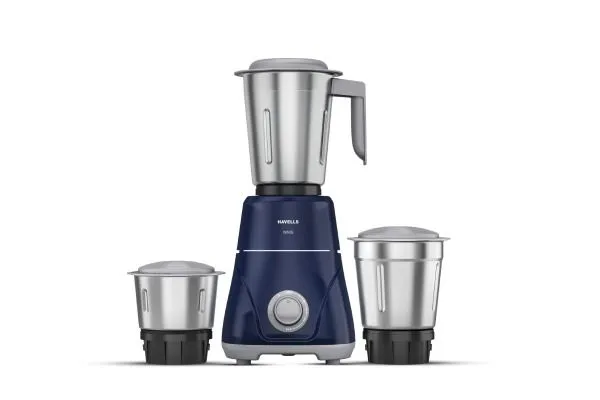
- A Blender’s Job: A blender is a master of pulverization. It uses high-speed blades to chop and liquefy everything you put into it—skin, seeds, and fiber included. The result is a thicker, more textured drink we call a smoothie, which is essentially a liquified version of the whole food.
This one key difference—fiber or no fiber—is what sets the stage for the entire juicer vs blender for health debate.
Juicer vs Blender for Health: A Head-to-Head Comparison
To truly understand which appliance aligns with your health goals, let’s put them side-by-side and compare them on the factors that matter most.
| Feature | Juicer (Extracts) | Blender (Pulverizes) | The Health Implication |
|---|---|---|---|
| Nutrient Absorption | Extremely Fast. With fiber removed, nutrients are “pre-digested” and enter your bloodstream almost instantly for a quick energy boost. | Slower. The body has to work to break down the fiber to access the nutrients, leading to a more gradual release. | Winner: Juicer for a rapid nutrient hit. |
| Fiber Content | Very Low to None. The pulp, which contains the insoluble fiber, is extracted and discarded. | Very High. Retains all the natural fiber from the whole fruits and vegetables. | Winner: Blender for digestive health and satiety. |
| Blood Sugar Impact | Higher Potential Spike. The rapid absorption of natural sugars without fiber can cause a quicker spike in blood sugar. Best to focus on low-sugar veggies. | Lower Impact. Fiber slows down the absorption of sugar, leading to a more stable blood sugar response. | Winner: Blender for blood sugar management. |
| Digestive Ease | Very Easy. Gives your digestive system a rest, as there’s little solid matter to break down. Ideal for those with sensitive guts or during a cleanse. | Requires More Work. The digestive system needs to process all the fiber, which is great for a healthy gut but can be tough for some. | Winner: Juicer for digestive rest. |
| Feeling of Fullness | Low. Juice is hydrating and nutritious but won’t keep you full for long. It’s a supplement, not a meal. | High. The fiber and volume make smoothies very filling, often serving as a complete meal replacement. | Winner: Blender for hunger control and meal replacement. |
| Volume of Produce | High. It takes a large quantity of produce (e.g., 3-4 carrots, an apple, a stalk of celery) to make one glass of juice. | Lower. You use less produce overall to create a filling smoothie of the same volume. | Winner: Blender for being more economical. |
When to Choose a Juicer: The Nutrient Super-Highway
So, who is a juicer really for? When I first started my wellness journey, my juicer was my secret weapon for flooding my body with nutrients without feeling bloated.
A juicer is your perfect partner if:
- You want a rapid nutrient boost: If you’re feeling run down or want a post-workout recovery drink, the fast absorption from juice is unparalleled.
- You have a sensitive digestive system: For those with conditions like IBS or Crohn’s, the lack of fiber can make it much easier to absorb nutrients without causing irritation.
- You’re doing a cleanse or detox: Juicing allows you to consume a massive amount of vitamins and minerals while giving your digestive system a much-needed break.
- You struggle to eat enough vegetables: Let’s be honest, eating a whole bunch of kale, a cucumber, and four carrots can be a chore. Juicing them is a quick and easy way to get their benefits.
Expert Take: “Think of juicing as a nutritional supplement,” says nutritionist Dr. Eleanor Vance. “It’s not meant to replace whole foods entirely, but to provide a concentrated, easily-absorbable source of micronutrients that can be difficult to get from diet alone.”
When a Blender is Your Best Friend: The Wholesome Meal-Maker
A blender, on the other hand, is the champion of whole-food nutrition. It’s the practical, everyday workhorse that keeps you full and fueled.
A blender is your go-to if:
- You need a meal replacement: A smoothie with fruit, veggies, a protein source (like yogurt or protein powder), and healthy fats (like avocado or nuts) is a balanced and satisfying meal in a glass.
- You want to manage your weight and stay full: The high fiber content is fantastic for satiety, keeping you from snacking between meals.
- You want to support your gut health: The fiber in smoothies acts as a prebiotic, feeding the good bacteria in your gut and promoting a healthy microbiome.
- You’re on a budget: Since you use the entire fruit or vegetable, blending is generally less expensive and produces less waste than juicing.
What Are the Best Types of Juicers?
If you’ve decided that a juicer is the right choice for you, the next step is choosing the right type. The debate here is just as important as the juicer vs blender for health conversation.
Masticating (Cold Press) Juicers: The Nutrient Keepers
These are the slow and steady champions of the juicing world. They use a slow-turning auger to “chew” and press produce, minimizing heat and oxidation.
- Pros: High juice yield, preserves maximum nutrients and enzymes, very quiet, excellent with leafy greens.
- Cons: Slower juicing process, typically more expensive, more parts to clean.
- Best for: The dedicated health enthusiast who wants the highest quality juice possible. See our guide to the [best cold press juicers of the year].
Centrifugal Juicers: The Speed Demons
These are the fast and furious machines you often see in department stores. They use a flat cutting blade that spins at high speed, flinging the juice out through a mesh filter.
- Pros: Very fast, generally more affordable, easier to clean with fewer parts.
- Cons: Lower juice yield (wetter pulp), the high-speed spinning creates heat and oxidation which can degrade nutrients faster, noisy.
- Best for: The busy beginner who values speed and convenience over maximum nutrient retention. Check out our [top picks for beginner juicers].
Frequently Asked Questions (FAQ)
1. Can you lose weight with a juicer or a blender?
Both can be tools for weight loss. Blenders help by creating filling, fiber-rich meal replacements that control hunger. Juicers can support weight loss by providing low-calorie, nutrient-dense options to replace high-calorie drinks, but they won’t keep you full on their own.
2. Is a juicer or blender better for detoxing?
This depends on your definition of “detox.” For a short-term “digestive rest” cleanse where you consume only liquids, a juicer is ideal because it removes fiber. For a long-term, whole-foods approach to support your body’s natural detoxification systems, a blender is excellent for its fiber content, which helps bind to and eliminate toxins.
3. Do you really lose nutrients when you juice?
You don’t lose the water-soluble vitamins and minerals. What you lose is the fiber and the nutrients bound to it. However, the nutrients in the juice become more bioavailable, meaning your body can absorb them more easily. It’s a trade-off.
4. Is it cheaper to juice or blend?
Blending is almost always cheaper. You use less produce to make a single serving, and there is virtually no food waste. Juicing requires a significant amount of produce to yield one glass of juice.
5. Can I use my high-powered blender as a juicer?
You can’t use a blender to make true juice because it doesn’t separate the pulp. However, you can blend your ingredients with water and then strain the mixture through a nut milk bag or fine-mesh sieve. It’s a bit more work but a decent workaround if you’re not ready to invest in a dedicated juicer.
The Final Verdict
So, after all this, what’s the final word in the juicer vs blender for health showdown? The truth is, there is no single winner. The best choice is the one that fits seamlessly into your lifestyle and helps you achieve your specific health goals.
- Choose a juicer for a fast, concentrated shot of vitamins and minerals that gives your digestive system a rest.
- Choose a blender for a fiber-rich, filling, and complete nutritional meal that supports gut health and keeps you satisfied.
Many of us here at Juicer Best actually use both! We might start the day with a nutrient-dense green juice and have a satisfying smoothie for lunch. The goal isn’t to pick a side, but to understand the tools at your disposal. By incorporating fresh juices and whole-food smoothies into your routine, you’re taking a powerful step towards a more vibrant, energized, and healthier you. Now, what will you make first?