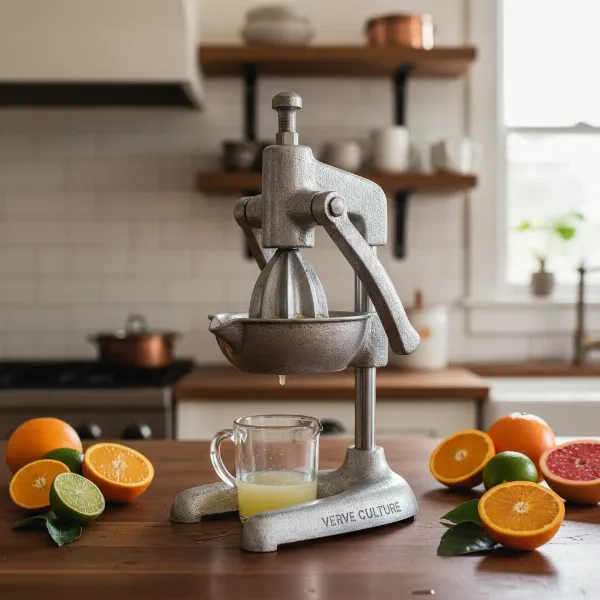
Choosing a premium slow juicer can feel like navigating a maze, especially when faced with two titans like Hurom and Kuvings. Both brands are celebrated for their exceptional cold-press technology, promising higher yields, superior nutrient retention, and delicious, pulp-free juice. But for the discerning health enthusiast or the busy family, the nuances between these top-tier machines can make all the difference. This comprehensive guide, crafted from years of hands-on experience, aims to cut through the marketing jargon and provide a clear, objective comparison to help you invest in the perfect juicing companion for your lifestyle. Let’s delve into the heart of what makes each brand unique and which one truly stands out in the quest for the freshest juice.
Understanding Popular Juicer Types and Why Slow Juicers Reign
When exploring the world of juicing, you’ll primarily encounter two main categories: centrifugal juicers and masticating (slow) juicers. Centrifugal juicers operate at high speeds, using a spinning blade to grate produce and separate juice from pulp. While fast and often more affordable, this rapid process introduces heat and air, which can lead to oxidation and a reduction in nutrient content, resulting in a foamy, less vibrant juice that needs to be consumed quickly.
Masticating juicers, often referred to as cold press or slow juicers, represent the pinnacle of juicing technology. These machines use a powerful auger (or screw) to slowly crush and press fruits, vegetables, and leafy greens against a screen. This gentle, low-speed extraction minimizes heat buildup and oxidation, preserving vital enzymes, vitamins, and minerals. The result is a richer, more concentrated juice with minimal foam and a longer shelf life, often up to 72 hours when stored correctly. Both Hurom and Kuvings specialize in this superior masticating technology, offering robust, efficient, and quiet operation that significantly enhances the quality of your homemade beverages. The slower process also means these juicers are remarkably quieter than their centrifugal counterparts and are often more versatile, capable of handling everything from delicate leafy greens to fibrous celery and even making nut milks or sorbets with the right attachments.
Essential Criteria for Choosing a Premium Slow Juicer
Selecting the right slow juicer involves more than just picking a brand; it’s about aligning the machine’s capabilities with your specific juicing habits and preferences. Considering several key factors will ensure you make an informed investment that delivers satisfaction for years to come.
Power and Speed: The Engine of Efficiency
|
Our Picks for the Best Juicer in 2026
As an Amazon Associate I earn from qualifying purchases.
|
||
| Num | Product | Action |
|---|---|---|
| 1 | BLACK+DECKER 32oz Electric Citrus Juicer, CJ625, Pressure Activated, Adjustable Pulp Control, Dishwasher-Safe |

|
| 2 | Magic Bullet Mini Juicer with Cup, Black and Silver |
|
| 3 | Cold Press Juicer, Juicer Machines with 5.4" Wide Feed Chute for Juice Extractor, Professional Slow Masticating Juicer for Whole Vegetables & Fruits with High Juice Yield, Easy to Clean (Black) |
|
| 4 | Juicer Machines, Juilist 3" Wide Mouth Juicer Extractor Max Power 800W, for Vegetable and Fruit with 3-Speed Setting, 400W Motor, Easy to Clean |
|
| 5 | Ninja NeverClog Cold Press Juicer, Powerful Slow Juicer with Total Pulp Control, Countertop, Electric, 2 Pulp Functions, Dishwasher Safe, 2nd Generation, Charcoal, JC151 |
|
| 6 | Qcen Juicer Machine, 800W Centrifugal Juicer Extractor with Wide Mouth 3” Feed Chute for Fruit Vegetable, Easy to Clean, Stainless Steel, BPA-free (Black) |
|
| 7 | Zulay Kitchen Cast Iron Juicer - Easy-to-Clean Heavy-Duty Manual Juicer, Professional Citrus Juicer - Stainless Steel Lemon Squeezer - Manual Citrus Press & Orange Squeezer - Orange Juicer (Black) |
|
| 8 | Qcen Juicer Machine, 500W Centrifugal Juicer Extractor with Wide Mouth 3” Feed Chute for Fruit Vegetable, Easy to Clean, Stainless Steel, BPA-free (Black) |
|
| 9 | juicer machines with 5.8" Large Feed Chute, Slow masticating cold press juicer for Whole Fruits & Vegetables, easy to clean Design, High Juice Yield Home juicer for Daily Wellness |
|
| 10 | Juicer Machines with 5.8" Large Feed Chute, Cold Press Juicer for Whole Vegetables and Fruits 400W, Slow Masticating juicer Easy to Clean Juice Extractor Machine High Juice Yield |
|
The motor’s power and the auger’s rotation speed are critical to a slow juicer’s performance. A more powerful motor, typically ranging from 150W to 250W for premium models, ensures efficient processing of even the toughest produce without stalling. Juicers with lower RPM (revolutions per minute), usually between 40-80 RPM, are ideal for masticating juicers as they minimize heat and oxidation, thus maximizing nutrient preservation and yield. When choosing, consider the types of ingredients you’ll be juicing most frequently. If celery, carrots, and other hard, fibrous vegetables are staples in your diet, a robust motor is paramount. For softer fruits and leafy greens, a slightly less powerful motor may suffice, though stronger motors usually handle all types of produce with greater ease and efficiency.
Material Quality: Safety and Durability
The materials used in a juicer’s construction directly impact its safety, durability, and ease of cleaning. High-quality slow juicers typically feature BPA-free plastics like Tritan for the juicing bowl and auger, which are renowned for their strength, clarity, and resistance to staining and odors. Stainless steel components are also common, particularly for screens and housing, offering superior hygiene and longevity. Avoid models with flimsy plastics or unknown material compositions, as these can degrade over time, potentially leaching chemicals into your juice or failing prematurely. Investing in a juicer made with premium, food-grade materials ensures both the safety of your juice and the prolonged life of your appliance.
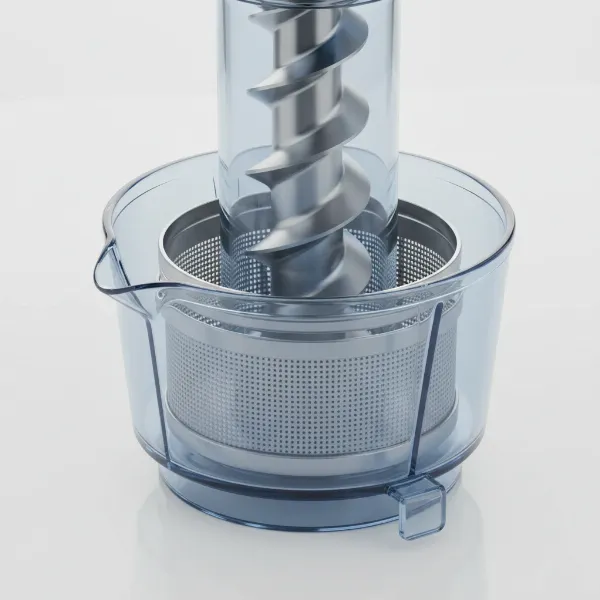 Close-up of premium slow juicer components, highlighting BPA-free Tritan and stainless steel for durability and safety
Design and Footprint: Blending into Your Kitchen
A juicer’s design goes beyond aesthetics; it impacts usability, storage, and cleaning. Vertical slow juicers, common in both Hurom and Kuvings lineups, typically have a smaller countertop footprint compared to horizontal models, making them suitable for kitchens with limited space. Consider features like ease of assembly and disassembly, as this directly affects the time and effort required for daily use and cleaning. A design that allows for quick rinse-and-go cleaning is invaluable for maintaining a consistent juicing habit. Furthermore, a sturdy base and well-thought-out design will ensure stability during operation and longevity of the machine.
Additional Features: Enhancing Your Juicing Experience
Many premium slow juicers come with extra features that can enhance convenience and versatility. Reverse rotation functions are useful for dislodging clogged pulp, preventing blockages, and ensuring continuous juicing. Auto-pulp ejection systems allow for uninterrupted juicing of larger quantities. Some models offer attachments for making sorbets, nut butters, or even pasta, transforming your juicer into a multi-functional kitchen appliance. While these features add to the cost, they can significantly expand your culinary horizons. Evaluate which additions genuinely align with your needs rather than simply opting for the most feature-rich (and expensive) model.
Hurom vs. Kuvings: A Detailed Comparison of Premium Slow Juicers
When it comes to premium slow juicers, Hurom and Kuvings consistently lead the pack, each with a dedicated following and a reputation for excellence. Both brands offer high-quality masticating technology, but their distinct design philosophies and specific features cater to different user preferences.
Hurom: The Art of Gentle Extraction
Hurom, a pioneer in vertical slow juicing, often emphasizes its Alpha technology, which aims for the most gentle extraction possible. Hurom juicers are known for their sleek, often compact designs and quiet operation.
- Pros:
- Excellent Juice Quality: Often lauded for producing smooth, pulp-free juice with superior nutrient retention.
- Quiet Operation: Among the quietest juicers on the market, ideal for early morning juicing without disturbing others.
- Versatility: Many models come with pulp control levers and coarse strainers for different juice textures or even making smoothies and ice cream.
- Aesthetics: Designs are often elegant and fit well into modern kitchens.
- Cons:
- Smaller Feed Chute: Historically, many Hurom models have smaller feed chutes, requiring more pre-chopping of ingredients. (Newer models like H-200 have improved this).
- Cleaning: While not difficult, some users find the multiple parts slightly more involved to clean compared to some Kuvings models.
- Price: Premium pricing, though competitive within its class.
Kuvings: Power, Convenience, and Wide Chutes
Kuvings has made a name for itself with powerful motors and, notably, its wide feed chutes, significantly reducing prep time. Models like the REVO830 represent the brand’s commitment to innovation and user convenience.
- Pros:
- Wide Feed Chute: A major advantage, allowing whole fruits and vegetables to be juiced with minimal pre-cutting, saving significant time.
- Powerful Motors: Kuvings juicers often boast strong motors, handling tough ingredients like carrots and celery with ease.
- High Yield: Consistently delivers excellent juice yield with dry pulp.
- Durability: Robust construction designed for frequent, heavy-duty use.
- Ease of Cleaning: Many users find Kuvings models, especially newer ones, slightly easier to clean due to streamlined designs and specific cleaning tools.
- Cons:
- Footprint: While vertical, some models can be slightly larger and heavier than comparable Hurom units.
- Noise: While still very quiet for a juicer, some might find them marginally louder than the absolute quietest Hurom models.
- Price: Generally in the same premium bracket as Hurom, with top-tier models being a significant investment.
Comparison Table: Hurom H-200 vs. Kuvings REVO830 (Flagship Models)
To offer a clearer picture, let’s compare two of the most popular and highly-rated flagship models from each brand: the Hurom H-200 Easy Clean Slow Juicer and the Kuvings REVO830 Cold Press Juicer.
| Feature | Hurom H-200 Easy Clean Slow Juicer | Kuvings REVO830 Cold Press Juicer |
|---|---|---|
| Juicer Type | Vertical Masticating (Slow) | Vertical Masticating (Slow) |
| Motor Power | 150W | 200W |
| RPM (Rotation Speed) | 43 RPM | 50 RPM |
| Feed Chute | Dual feed chute: 5.4-inch mega hopper for whole produce + separate smaller chute for leafy greens | Dual feed chute: 3.2-inch O-shape for whole produce + 1.7-inch auto-cut chute for celery/carrots |
| Cleaning | Easy Clean system with strainers that don’t need scrubbing, fewer parts | Redesigned pulp outlet, easier to clean auger and parts, included cleaning tools |
| Juice Yield | Excellent across all produce types | Excellent across all produce types, notably efficient for celery |
| Noise Level | Extremely quiet | Very quiet |
| Versatility | Includes fine and coarse strainers, smoothie and ice cream attachments (sold separately) | Includes fine strainer, smoothie, and sorbet attachments (sometimes included) |
| Dimensions | 9.6 x 7.1 x 17.5 inches | 9.8 x 8.0 x 19.2 inches |
| Weight | ~14.3 lbs | ~16.5 lbs |
| Key Selling Point | Ultimate ease of cleaning, quiet operation, thoughtful design | Unparalleled convenience with wide/auto-cut chutes, powerful performance |
> “Both Hurom and Kuvings represent the pinnacle of slow juicing technology, offering exceptional juice quality. The choice often comes down to personal priorities: Hurom for those prioritizing a serene juicing experience and easy maintenance, and Kuvings for those valuing rapid preparation and robust handling of all produce.” – JuicerBest.com Admin, Slow Juicer Expert
Mastering Your Slow Juicer: Usage and Cleaning Guide
To maximize the lifespan and performance of your premium slow juicer, proper usage and diligent cleaning are essential. These machines are engineered for durability, but consistent care ensures they continue to deliver optimal results.
Best Practices for Optimal Juicing
- Prepare Your Produce: Even with wide-chute juicers, cutting produce into manageable pieces (especially fibrous greens like celery or hard roots like ginger) can prevent strain on the motor and ensure smoother operation. Remove pits from fruits and hard skins if recommended by the manufacturer.
- Alternate Ingredients: When juicing a mix of soft and hard ingredients, alternate them. Start with softer items, then push through harder ones, followed by leafy greens. This helps clear the pulp and ensures a continuous flow of juice.
- Don’t Overload: Feed ingredients at a steady, moderate pace. Pushing too much produce through too quickly can clog the juicer or cause the motor to stall.
- Use the Pusher Wisely: Only use the provided pusher when necessary, typically for tougher items or when ingredients get stuck in the chute. Let the auger do most of the work.
- Reverse Function: If pulp builds up or the juicer jams, use the reverse function for a few seconds to dislodge the blockage, then continue juicing.
Step-by-Step Cleaning for Longevity
Cleaning your slow juicer immediately after use is crucial to prevent pulp from drying and hardening, which makes cleaning much harder.
- Disassemble: Unplug the juicer. Carefully disassemble all removable parts: the hopper, juicing bowl, auger, and strainer.
- Rinse Immediately: Take all parts to the sink and rinse them under running water. Most of the pulp should wash off easily.
- Brush the Strainer: The strainer (or screen) is where most pulp residue accumulates. Use the specialized cleaning brush (usually included with your juicer) to scrub the tiny holes thoroughly. This is the most critical step for effective cleaning.
- Wash with Soap: Use warm, soapy water and a sponge or cloth to wash all disassembled parts. Pay attention to any crevices where pulp might hide.
- Rinse Thoroughly: Rinse all parts completely to remove any soap residue.
- Dry: Allow all parts to air dry completely on a drying rack before reassembling or storing. This prevents mold and mildew buildup.
- Wipe the Base: Use a damp cloth to wipe down the motor base, ensuring no juice or pulp has seeped into the electronic components. Never immerse the motor base in water.
By following these simple steps, you’ll ensure your Hurom or Kuvings juicer remains in pristine condition, ready to deliver fresh, nutrient-rich juice whenever you desire.
Where to Purchase Your Premium Slow Juicer
Investing in a high-quality slow juicer like a Hurom or Kuvings model requires a trustworthy purchase source to ensure authenticity, warranty coverage, and reliable customer support.
Reputable Retailers and Online Stores
- Brand Official Websites: The safest bet is often to purchase directly from the official Hurom or Kuvings websites. This guarantees you receive a genuine product, full manufacturer warranty, and direct access to their customer service for any inquiries or support.
- Authorized Retailers: Major appliance stores (both brick-and-mortar and online) are typically authorized dealers. Check for well-known electronics or home goods chains. Ensure the retailer explicitly states they are an authorized dealer to avoid issues with warranty claims.
- Online Marketplaces (with caution): Large online marketplaces can offer competitive pricing, but always verify the seller’s reputation and ensure they are an authorized reseller. Be wary of deals that seem “too good to be true,” as these might indicate a refurbished unit, a grey market product, or even a counterfeit. Always prioritize sellers with excellent reviews and clear return policies.
Important Considerations When Buying Online
- Warranty: Confirm the warranty terms and ensure it’s valid for your region. Premium juicers come with substantial warranties (often 5-10 years on the motor), and you want to be sure yours is honored.
- Return Policy: Understand the retailer’s return and exchange policy. This is especially important for larger appliances where you might discover it doesn’t fit your space or needs as expected.
- Shipping and Handling: Check shipping costs and estimated delivery times. Ensure the product is insured during transit.
Buying Guide: Tailoring the Juicer to Your Lifestyle
Making the final decision between Hurom and Kuvings, or any premium slow juicer, boils down to identifying your unique needs and how a juicer can best integrate into your daily routine.
-
Define Your Juicing Needs:
- What will you juice most? If you primarily juice leafy greens and soft fruits, either brand will excel. If fibrous celery and hard root vegetables are your daily go-to, Kuvings’ powerful motor and dedicated celery chute (on models like REVO830) might offer an edge in convenience and speed.
- How often will you juice? For daily, high-volume juicing, a robust model with an easier cleaning process and wide feed chute (Kuvings) might be more practical. For occasional juicing or a quieter experience, Hurom is an excellent choice.
- What’s your priority? Is it ultimate juice purity and nutrient preservation (both are excellent, but Hurom often emphasizes the ‘gentle’ aspect), speed of preparation (Kuvings with wide chute), or ease of cleaning (Hurom H-200’s unique strainers)?
-
Set Your Budget: Both brands operate in the premium segment, typically ranging from $400 to $700+. Determine how much you’re willing to invest, but remember that a higher upfront cost often translates to better durability, performance, and a longer warranty.
-
Compare Specific Models: Don’t just compare brands; dive into specific models. Look at user reviews, expert comparisons, and product specifications for models that fit your budget and needs. For instance, if easy cleaning is paramount, the Hurom H-200 is a strong contender. If minimal prep time is key, the Kuvings REVO830 excels.
-
Read User Reviews: Real-world feedback from other users can provide invaluable insights into a juicer’s long-term performance, durability, and any potential quirks. Pay attention to comments on juice yield, noise, and ease of cleaning.
-
Check Warranty and Support: A comprehensive warranty (especially on the motor) is a hallmark of a premium product. Ensure the brand offers reliable customer support, should you need assistance with parts or troubleshooting.
By thoughtfully evaluating these points, you can confidently select a slow juicer that not only meets your expectations but enhances your health and wellness journey.
Conclusion
The battle between Hurom and Kuvings is less about which brand is definitively “better” and more about which brand aligns perfectly with your individual juicing priorities. Both have rightfully earned their place at the top of the slow juicer market, delivering exceptional cold-press technology, superior juice quality, and durable construction. Hurom often appeals to those who prioritize a whisper-quiet operation, a sleek design, and a uniquely easy cleaning process with models like the H-200. Kuvings, on the other hand, stands out for its powerful performance, unparalleled convenience offered by wide feed chutes, and robust build, particularly with innovations seen in the REVO830.
Ultimately, whether you lean towards the refined elegance of Hurom or the powerful efficiency of Kuvings, investing in either of these premium slow juicers is a step towards a healthier lifestyle. The key lies in understanding your personal needs regarding preparation time, cleaning preferences, and the types of produce you’ll be juicing most often. Are you ready to elevate your daily dose of nutrition with a machine designed for lasting quality and performance?
Frequently Asked Questions
Is a slow juicer worth the investment compared to a centrifugal juicer?
Yes, a slow juicer is generally considered a superior investment. It produces higher quality juice with more nutrients due to minimal heat and oxidation, less foam, and a longer shelf life (up to 72 hours). While the initial cost is higher, the health benefits and efficiency make it worthwhile for consistent juicers.
Can Hurom and Kuvings juicers handle leafy greens like spinach and kale effectively?
Absolutely. Both Hurom and Kuvings are specifically designed as masticating juicers, excelling at extracting juice from leafy greens. Their slow-press technology efficiently squeezes out maximum liquid, leaving behind very dry pulp, which is a hallmark of excellent leafy green juicing.
How often should I clean my slow juicer?
You should clean your slow juicer immediately after every single use. This prevents pulp from drying and hardening in the components, which can be very difficult to remove later. A quick rinse and brush right after juicing will significantly extend the life and performance of your machine.
Do premium slow juicers come with a good warranty?
Yes, premium slow juicer brands like Hurom and Kuvings typically offer excellent warranties, often ranging from 5 to 10 years (or even longer) on the motor, and 1-2 years on other parts. Always verify the specific warranty terms for your chosen model and region before purchase.
Can I make nut milk or sorbet with Hurom or Kuvings juicers?
Many models from both Hurom and Kuvings come with, or have optional attachments for, making nut milks (like almond milk) and frozen desserts (like sorbet or ice cream). Check the product specifications or included accessories for the specific model you are interested in.