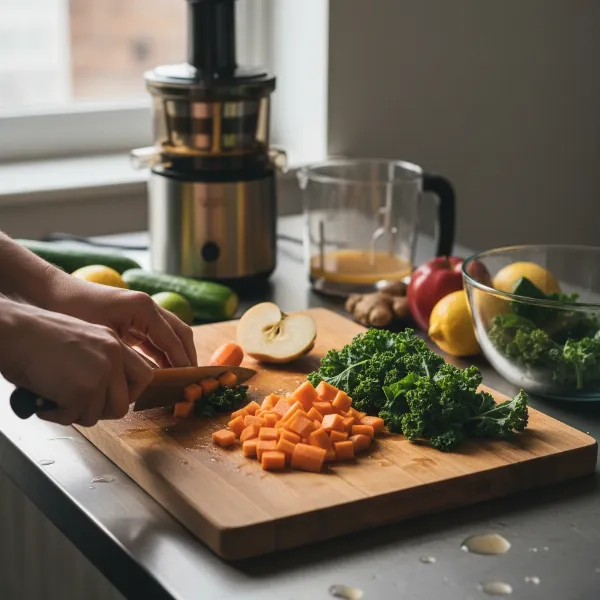
For juicing enthusiasts, the vibrant health benefits of fresh carrot juice are undeniable. Yet, the persistent orange or yellow stains left behind on your juicer’s plastic components can be a familiar and frustrating challenge. As the Admin of JuicerBest.com and a technician with over a decade of hands-on experience, I understand this common predicament. These stubborn stains, primarily caused by beta-carotene, can make your pristine juicer look tired and discolored. This comprehensive guide will equip you with a range of effective methods to banish those unsightly marks, restoring your juicer’s original luster and ensuring it remains a joy to use.
Common Types of Juicers and Stain Susceptibility
When it comes to the world of juicers, several types dominate the market, each with its own mechanism and components. While the focus here is on eradicating carrot stains from plastic, understanding your juicer type can offer context, as nearly all models feature plastic parts susceptible to discoloration. Slow juicers, often called masticating juicers, gently press produce, while centrifugal juicers rapidly spin ingredients. Regardless of whether you own a single-auger, twin-gear, or centrifugal model, the plastic components—from the pulp container to the juice pitcher and main housing—are unfortunately vulnerable to the staining power of beta-carotene, the pigment responsible for carrots’ brilliant orange hue.
Different plastic materials can react variedly to staining. Softer or more porous plastics tend to absorb pigments more readily, making stains harder to remove over time. However, even high-quality, BPA-free plastics like Tritan can eventually show signs of discoloration if not cleaned promptly. The methods outlined in this article are broadly applicable across all juicer types, targeting the common plastic elements that encounter carrot juice directly.
Criteria for Choosing a Juicer with Stain Prevention in Mind
While this guide primarily addresses stain removal, a smart approach also involves considering stain prevention when selecting a juicer or its components. Thinking ahead about the materials and design can significantly reduce your future cleaning efforts. By focusing on these criteria, you can make an informed decision that prioritizes both performance and ease of maintenance.
Material Matters for Stain Resistance
The type of plastic used in your juicer plays a crucial role in its susceptibility to staining and its overall durability. Most modern juicers utilize various plastics, with some offering better stain resistance than others.
- Tritan Plastic: Widely recognized for its clarity, durability, and resistance to impact and harsh chemicals, Tritan is often lauded for its relative stain resistance compared to conventional plastics. It’s BPA-free and tends to hold up better against vibrant pigments like beta-carotene, although it’s not entirely stain-proof.
- Other Plastics (e.g., Polycarbonate, Acrylic): Older juicer models or more budget-friendly options might use other plastic types that are more porous and thus more prone to absorbing colors. These materials may yellow or orange more quickly and deeply.
- Stainless Steel: Components made from stainless steel are naturally stain-resistant and ideal for parts that come into contact with juice. While the core parts often remain plastic, seek out models with stainless steel strainers or pulp ejectors where possible for easier cleaning.
|
Our Picks for the Best Juicer in 2026
As an Amazon Associate I earn from qualifying purchases.
|
||
| Num | Product | Action |
|---|---|---|
| 1 | Ninja NeverClog Cold Press Juicer, Powerful Slow Juicer with Total Pulp Control, Countertop, Electric, 2 Pulp Functions, Dishwasher Safe, 2nd Generation, Charcoal, JC151 |

|
| 2 | Magic Bullet Mini Juicer with Cup, Black and Silver |
|
| 3 | Juicer Machines with 5.8" Large Feed Chute, Cold Press Juicer for Whole Vegetables and Fruits 400W, Slow Masticating juicer Easy to Clean Juice Extractor Machine High Juice Yield |
|
| 4 | Juicer Machines, Juilist 3" Wide Mouth Juicer Extractor Max Power 800W, for Vegetable and Fruit with 3-Speed Setting, 400W Motor, Easy to Clean |
|
| 5 | BLACK+DECKER 32oz Electric Citrus Juicer, CJ625, Pressure Activated, Adjustable Pulp Control, Dishwasher-Safe |
|
| 6 | Qcen Juicer Machine, 800W Centrifugal Juicer Extractor with Wide Mouth 3” Feed Chute for Fruit Vegetable, Easy to Clean, Stainless Steel, BPA-free (Black) |
|
| 7 | Cold Press Juicer, Juicer Machines with 5.4" Wide Feed Chute for Juice Extractor, Professional Slow Masticating Juicer for Whole Vegetables & Fruits with High Juice Yield, Easy to Clean (Black) |
|
| 8 | Qcen Juicer Machine, 500W Centrifugal Juicer Extractor with Wide Mouth 3” Feed Chute for Fruit Vegetable, Easy to Clean, Stainless Steel, BPA-free (Black) |
|
| 9 | juicer machines with 5.8" Large Feed Chute, Slow masticating cold press juicer for Whole Fruits & Vegetables, easy to clean Design, High Juice Yield Home juicer for Daily Wellness |
|
| 10 | Zulay Kitchen Cast Iron Juicer - Easy-to-Clean Heavy-Duty Manual Juicer, Professional Citrus Juicer - Stainless Steel Lemon Squeezer - Manual Citrus Press & Orange Squeezer - Orange Juicer (Black) |
|
Choosing a juicer with higher-quality, denser plastics, particularly Tritan, can make a noticeable difference in how well it withstands the test of time against carrot stains. Always check the product specifications for material details.
Design and Size for Effortless Cleaning
Beyond the material, the overall design and size of your juicer significantly impact how easily it can be cleaned, which in turn helps prevent stains from setting in. A juicer that is simple to disassemble and reassemble encourages frequent and thorough cleaning.
- Ease of Disassembly: Look for models with fewer parts or parts that detach easily without special tools. The quicker you can break down your juicer, the sooner you can clean it after use, which is critical for stain prevention.
- Smooth Surfaces and Minimal Crevices: Intricate designs with many nooks and crannies can trap pulp and juice, making them breeding grounds for stains and bacteria. Smooth, streamlined designs are much easier to wipe clean.
- Dishwasher-Safe Components: While handwashing is often recommended for longevity, having some parts be dishwasher-safe can be a convenience. However, be mindful that high heat in dishwashers can sometimes exacerbate staining or cause plastic to degrade over time.
Prioritizing a design that promotes swift and simple cleaning will dramatically reduce the likelihood of permanent carrot stains on your juicer’s plastic parts.
A Comparative Look at Carrot Stain Removal Methods
Tackling carrot stains effectively requires a combination of timely action and the right cleaning agents. Different methods offer varying degrees of effectiveness, effort, and safety for your juicer’s plastic components. Here’s a comparison of common solutions to help you choose the best approach for your specific situation.
| Method | Effectiveness on Carrot Stains | Effort Level | Safety for Plastic | Notes |
|---|---|---|---|---|
| Immediate Wash | High (prevents stains from setting) | Low | Very Safe | Best first line of defense; use warm water and dish soap immediately after juicing. |
| Sunlight Method | High for surface stains, especially on white/light plastics. | Low (passive) | Very Safe (avoid prolonged extreme heat) | UV rays naturally bleach away stains. Place parts outside on a sunny day. |
| Baking Soda Paste/Soak | Moderate to High, good for mild to moderate stains. | Medium | Generally Safe (gentle abrasive; avoid excessive scrubbing) | Paste: Mix with water/lemon juice. Soak: Add to warm water. Helps lift stains and deodorize. |
| Citric Acid Soak | Moderate to High, effective for deeper stains. | Medium (soaking) | Generally Safe (natural acid) | Often used with baking soda for a fizzing action. Soak overnight in warm water with citric acid (and baking soda). |
| Vegetable Oil Rub | Moderate for recent, lighter stains. | Low | Very Safe | Carrot pigment (beta-carotene) is oil-soluble. Rub with a paper towel and oil, then wash. |
| Oxy Clean / Washing Soda Soak | High for stubborn, set-in stains. | Medium (soaking) | Generally Safe (follow product instructions; use gloves for washing soda) | Powerful oxidizers that break down pigments. Soak for several hours or overnight. Ensure thorough rinsing. Washing soda (sodium carbonate) is a strong cleaner, but milder than caustic soda. |
| Lemon Juice / Vinegar | Moderate, better for preventing than removing deep stains. | Low to Medium | Very Safe | Acidic properties help break down pigments. Can be used as a soak or rubbed directly. More effective as a preventative measure. |
| Mild Bleach Solution | High for tough stains, but use with caution. | Medium | Use with Extreme Caution (can degrade plastic over time) | Last resort. Dilute bleach heavily. Avoid prolonged contact. Rinse meticulously. Not recommended for frequent use. |
> “The secret to tackling juicer stains often lies in prompt action and understanding the chemistry of the pigment. Beta-carotene is both oil-soluble and susceptible to oxidation, which is why methods like oil rubs and sunlight or oxygen-based cleaners are so effective.” – Sarah Chen, Kitchen Appliance Care Specialist
How to Use and Clean Your Juicer Effectively to Combat Stains
Maintaining a clean juicer is not just about hygiene; it’s about preserving its appearance and extending its lifespan. Mastering the art of daily cleaning and employing targeted stain removal techniques will keep your juicer looking new.
Immediate Action After Each Use
The most crucial step in preventing carrot stains is to clean your juicer immediately after every use. Do not let pulp or juice residue dry on the plastic components.
- Disassemble Quickly: As soon as you’ve finished juicing, unplug the machine and take apart all removable components.
- Rinse Under Warm Water: Rinse all parts under running warm water. Use your hands or a soft brush to remove visible pulp and juice.
- Wash with Dish Soap: Apply a small amount of dish soap to a sponge or the cleaning brush provided with your juicer. Scrub all plastic surfaces thoroughly, paying extra attention to areas that come into direct contact with carrot juice, like the auger, screen, and pulp chute.
- Rinse and Dry: Rinse all parts completely to remove any soap residue. Air dry on a rack or wipe with a clean cloth. Ensuring they are fully dry prevents water spots and bacterial growth.
Targeted Stain Removal Techniques
Even with prompt cleaning, some carrot stains may persist. Here are detailed steps for various effective methods:
The Power of Sunlight
This simple, eco-friendly method harnesses UV radiation to bleach away stains naturally.
- Clean and Rinse: Ensure the stained plastic parts are free of any pulp or soap residue.
- Place in Direct Sunlight: Lay the stained components flat outside on a clean surface or hang them, ensuring maximum exposure to direct sunlight.
- Rotate if Needed: For deep stains or uneven tanning, rotate the parts every few hours to expose all sides to the sun.
- Monitor and Repeat: Depending on the stain’s severity and sun intensity, this could take a few hours to a full day. You may need to repeat the process over several days for very stubborn stains.
Baking Soda and Citric Acid Soak
This combination creates a gentle effervescent action that helps lift embedded stains.
- Prepare the Soak: Fill a basin or your juicer’s largest container with enough warm water to fully submerge the stained plastic parts.
- Add Cleaning Agents: For every liter of water, add approximately 2-3 tablespoons of baking soda and 2-3 tablespoons of citric acid powder (found in the baking aisle or cleaning supplies section). Stir to dissolve.
- Submerge and Soak: Place all stained plastic components into the solution, ensuring they are fully immersed.
- Soak Overnight: Let the parts soak for several hours, ideally overnight.
- Scrub and Rinse: After soaking, use your juicer’s cleaning brush or a soft-bristled brush to gently scrub away any remaining stains. Rinse thoroughly with clean water.
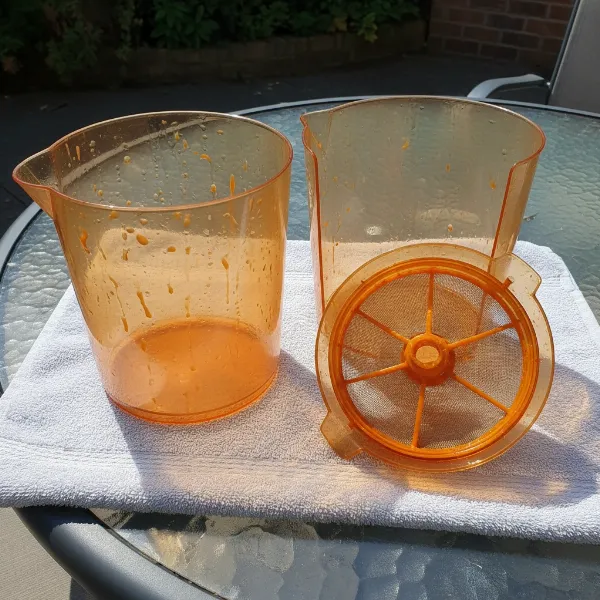 Juicer plastic parts drying in direct sunlight to remove carrot stains naturally
The Oil Rub Method
Beta-carotene is fat-soluble, making oil an unexpectedly effective stain remover.
- Apply Oil: Dab a small amount of vegetable oil (like olive, canola, or coconut oil) onto a clean paper towel or soft cloth.
- Rub the Stain: Gently rub the oil-soaked cloth over the carrot-stained areas of the plastic. You should see the orange pigment starting to transfer onto the cloth.
- Continue Rubbing: Use fresh sections of the cloth as needed until the stain visibly fades or disappears.
- Wash Thoroughly: Once the stain is gone, wash the plastic parts immediately with warm water and dish soap to remove all oil residue, then rinse and dry.
Oxy Clean or Washing Soda Soak (for heavy stains)
These oxygen-based cleaners are powerful allies against deep-seated discoloration.
- Prepare Solution: In a basin or large container, mix warm water with Oxy Clean powder (follow product instructions for ratio) or washing soda (sodium carbonate, typically 1/4 to 1/2 cup per gallon of water).
- Submerge Parts: Place all stained plastic juicer parts into the solution, ensuring they are completely covered.
- Soak: Allow the parts to soak for at least 4-6 hours, or even overnight for very stubborn stains.
- Scrub and Rinse: Wear gloves when handling parts soaked in washing soda. After soaking, scrub the components with a brush and rinse them thoroughly multiple times to ensure all traces of the cleaning agent are removed.
Long-Term Preservation: Maintenance Tips
Beyond active stain removal, consistent habits can keep your juicer in top condition:
- Rinse Immediately: This cannot be stressed enough. A quick rinse right after juicing prevents most stains from ever setting.
- Use the Cleaning Brush: The brush that comes with your juicer (or a dedicated kitchen brush) is specifically designed to get into the fine mesh screens and crevices where pulp loves to hide.
- Deep Clean Regularly: Even if you clean daily, a monthly deep clean using one of the soaking methods (baking soda/citric acid or Oxy Clean) can prevent gradual discoloration and buildup.
- Store Properly: Ensure all parts are completely dry before reassembling or storing your juicer to prevent odors and mold.
Buying Guide for Stain-Free Juicing
When you’re passionate about juicing, the longevity and appearance of your equipment are just as important as its performance. Investing in a juicer, or even selecting the right cleaning products, with an eye towards stain prevention and easy maintenance can save you time and frustration in the long run. This guide helps you make smart choices that contribute to a perpetually clean and efficient juicing experience.
Identifying Your Juicing Needs and Material Preferences
Before making any purchase decisions, assess your juicing habits and preferences.
- What you juice: If carrots are a staple in your juice blends, prioritizing stain-resistant materials becomes paramount. For mostly green juices, this might be less of a concern.
- Frequency of use: Daily juicers will notice stains faster and require more robust cleaning solutions or highly resistant materials. Occasional users might get by with simpler cleaning regimens.
- Material preferences: Do you prefer the robust feel of stainless steel components, or are you comfortable with high-quality plastics? Look for juicers that specify BPA-free, Tritan plastic parts, which offer superior stain and odor resistance compared to generic plastics. While not impervious to stains, they fare significantly better.
Evaluating Juicer Design for Cleanability
Beyond the material, the practical design of a juicer greatly influences how easily it can be kept stain-free.
- Ease of Disassembly: A juicer with fewer, easily detachable parts is a dream to clean. Models that require tools or complex maneuvers to take apart can discourage immediate cleaning, allowing stains to set. Seek out “easy-clean” designs.
- Smooth Surfaces and Minimal Crevices: Intricate designs might look aesthetically pleasing but can be a nightmare for cleaning. Pulp and juice residue love to accumulate in tight corners and textures. Smooth, polished surfaces and wide openings simplify wiping and scrubbing.
- Dedicated Cleaning Tools: Many quality juicers come with specially designed brushes to clean their fine mesh screens and narrow chutes. The presence and effectiveness of these tools are good indicators of a manufacturer’s commitment to user-friendly maintenance.
Choosing Effective Cleaning Products
Knowing which cleaning products work best for plastic stains can save you from harsh chemicals and ineffective methods.
- Natural Acids: Keep citric acid powder or fresh lemons handy. Their natural acidity helps break down pigments without damaging plastic. Vinegar is also a good option, though sometimes less potent for set-in stains.
- Oxygen-Based Cleaners: Products like Oxy Clean are excellent for deep cleaning and stain removal on plastics. They work by oxidizing the pigments, making them easier to rinse away. Always follow product instructions and wear gloves.
- Gentle Abrasives: Baking soda can be used as a mild abrasive paste. While effective, avoid overly aggressive scrubbing, which can scratch plastic surfaces and make them more susceptible to future staining.
- Oil: A small amount of cooking oil can be surprisingly effective for carrot stains due to beta-carotene’s oil-soluble nature.
By integrating these considerations into your juicer purchasing and maintenance routine, you’ll ensure your investment continues to provide healthy, stain-free juice for years to come.
Conclusion
Conquering stubborn carrot stains on your juicer’s plastic parts is entirely achievable with the right knowledge and techniques. From the immediate defense of prompt washing to the sun’s natural bleaching power and the targeted action of household cleaners, you now have a comprehensive toolkit at your disposal. Remember that consistent, immediate cleaning after each use remains your best ally against discoloration, preserving your juicer’s aesthetic and hygienic integrity. Embrace these tips to keep your valuable appliance looking pristine and ready for your next vibrant juice creation. What’s your go-to method for keeping your juicer sparkling clean?
Frequently Asked Questions
Can carrot stains permanently damage my juicer’s plastic?
While carrot stains are notoriously stubborn and can deeply discolor plastic, they typically don’t cause structural damage to the juicer’s functionality. The discoloration is primarily cosmetic. However, prolonged exposure to harsh cleaning agents or aggressive scrubbing can potentially degrade plastic over time.
Is it safe to use bleach on juicer plastic?
Using a highly diluted bleach solution is generally considered a last resort for very tough stains. It can be effective, but bleach can degrade plastic over time, making it brittle or cloudy, and should always be rinsed meticulously. Natural alternatives are preferred for regular cleaning.
Why do carrots stain plastic so easily?
Carrots contain a powerful pigment called beta-carotene, which is a lipophilic (fat-loving) compound. Plastic, being a porous material, readily absorbs this pigment, leading to the familiar orange and yellow stains. The longer the contact, the deeper the stain can set.
How often should I deep clean my juicer for stains?
For regular juicing, a daily immediate rinse and wash is essential. For deeper cleaning to prevent or remove set-in stains, a monthly deep soak using methods like baking soda/citric acid or Oxy Clean is recommended, or as soon as you notice any persistent discoloration.
Can old, dried carrot stains still be removed?
Yes, even old, dried carrot stains can often be removed, though they may require more persistent effort and stronger methods. Soaking overnight in solutions like baking soda and citric acid, or an Oxy Clean mixture, combined with exposure to direct sunlight, can effectively tackle set-in stains.