Pineapple juice is a vibrant, tropical delight, celebrated for its refreshing taste and impressive health benefits. But for many home juicers, a fundamental question often arises: should you peel your pineapple before juicing, or can you simply toss it in, skin and all? This seemingly simple query opens up a world of discussion, touching on everything from nutrient content and flavor profiles to juicer compatibility and potential health considerations. Whether you’re a seasoned juicer or just starting, understanding the nuances of juicing pineapple with its skin on or off is key to crafting the perfect glass of liquid sunshine tailored to your preferences and your equipment.
Understanding Popular Juicer Types and Their Pineapple Prowess
Before diving into the skin-on or skin-off debate, it’s essential to consider the workhorse behind your juice: the juicer itself. Different types of juicers handle fibrous fruits like pineapple with varying degrees of efficiency and effectiveness.
Slow juicers, also known as masticating juicers, operate by crushing and pressing produce at low speeds. This gentle action is excellent for extracting maximum juice from fibrous ingredients like pineapple, whether the skin is on or off. They are less prone to clogging with tough fibers and typically produce a higher yield with less foam. Their slow process also helps preserve more enzymes and nutrients, resulting in a more vibrant and nutrient-dense juice.
Centrifugal juicers, on the other hand, use a fast-spinning blade to shred produce against a mesh filter, separating the pulp from the juice. While convenient and quick, their high-speed operation can introduce more oxygen, potentially leading to faster oxidation and a loss of some heat-sensitive nutrients. For pineapple, especially with the skin on, centrifugal juicers might struggle with the tough fibers, potentially leading to lower yield, more pulp in the juice, and increased wear and tear on the machine. The skin’s rough exterior can also put undue stress on the blades and motor.
The Great Debate: To Peel or Not to Peel Your Pineapple for Juicing?
This is the core question for many pineapple juice enthusiasts, and the answer isn’t a simple yes or no. Both methods offer distinct advantages and considerations.
Juicing Pineapple with Skin On: Embracing the Whole Fruit
Opting to juice pineapple with its skin on is often championed by those seeking to maximize nutrient intake and minimize waste. The pineapple skin, while tough and not palatable for direct consumption, contains beneficial compounds.
One of the primary advantages of juicing pineapple with the skin on is the potential for a higher concentration of bromelain. Bromelain is an enzyme complex found throughout the pineapple, particularly abundant in the core and skin. It’s known for its anti-inflammatory properties, digestive aid, and potential immune-boosting effects. By including the skin, you ensure you’re harnessing as much of this potent enzyme as possible. Additionally, the skin contains various antioxidants and other phytochemicals that contribute to the overall nutritional profile of the juice. Juicing the whole fruit also means less food waste, aligning with sustainable living practices. The resulting juice can have a more robust, slightly earthy flavor profile due to the compounds present in the skin.
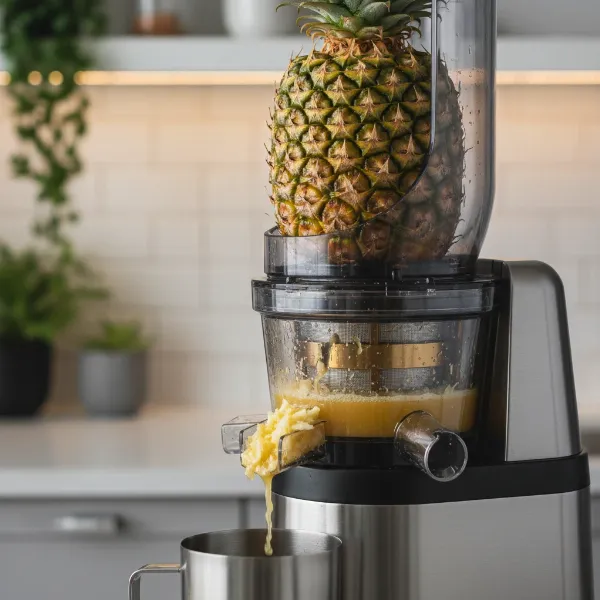 A whole pineapple being juiced in a slow masticating juicer, emphasizing nutrient extraction from skin.
However, juicing with the skin on comes with several crucial considerations. The first is the presence of pesticides and other potential contaminants. Pineapples are often treated with pesticides during cultivation, and these can reside on the skin. Thorough washing is absolutely essential to remove these residues. Additionally, the skin is very fibrous and tough, which can be challenging for some juicers, particularly centrifugal models. This can lead to decreased efficiency, potential damage to the juicer, and a more pulpy juice. The thorns on the skin are also a concern; while a powerful masticating juicer can handle them, they are a physical barrier to consider. Some people may also find the juice has a slightly bitter taste when the skin is included.
Juicing Pineapple with Skin Off: The Traditional Approach
The more common method involves peeling the pineapple before juicing, and for good reason. This approach simplifies the juicing process and offers a smoother, purer juice experience.
The most apparent benefit of removing the skin is ease of processing. Without the tough, fibrous exterior, the pineapple flesh is much easier for any juicer to handle, resulting in a smoother, less pulpy juice and reducing strain on your appliance. This method also eliminates concerns about pesticides and thorns, as these are discarded with the peel. The resulting juice tends to be sweeter and less bitter, highlighting the natural sugary notes of the pineapple flesh. It’s often preferred for those who desire a clean, unadulterated pineapple flavor.
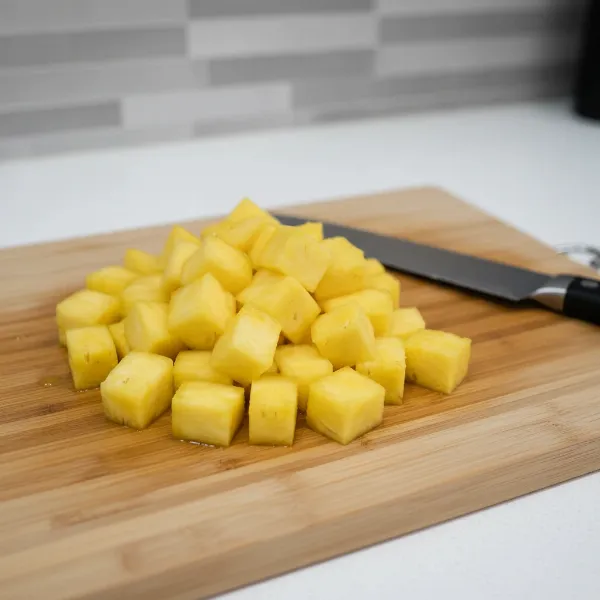 Freshly peeled pineapple chunks ready for juicing, highlighting ease and smooth juice.
The main drawback of peeling is the loss of some nutrients and the creation of more food waste. While the bulk of the beneficial compounds are in the flesh and core, some, like bromelain, are also concentrated in the skin. Discarding the skin means you’re missing out on these additional beneficial elements. However, for most home juicers, the convenience and purity of skin-off juicing outweigh this minor nutritional trade-off.
Nutritional Benefits of Pineapple Juice
Regardless of whether you juice with the skin on or off, pineapple juice is a nutritional powerhouse. It’s an excellent source of Vitamin C, a powerful antioxidant vital for immune function and skin health. It also provides significant amounts of manganese, a mineral crucial for bone health and metabolism.
The star nutrient, bromelain, is particularly notable. Beyond its anti-inflammatory and digestive benefits, bromelain has been studied for its potential role in reducing swelling and aiding in muscle recovery. While present throughout the fruit, the core and stem are especially rich in this enzyme. Including these parts, even if you peel the skin, will still provide a good dose of bromelain.
Step-by-Step Guide to Juicing Pineapple
Here’s how to prepare your pineapple for juicing, depending on your preferred method and juicer type.
Preparation (Regardless of Skin):
- Wash Thoroughly: Always wash the entire pineapple thoroughly under cold running water, even if you plan to peel it. Use a stiff brush to scrub the exterior, especially if you’re juicing with the skin on, to remove dirt and potential residues.
- Remove Top and Bottom: Carefully slice off the crown (leafy top) and the bottom of the pineapple using a sharp knife. This creates stable, flat surfaces for easier handling.
- Core (Optional): While the core is edible and nutritious (rich in bromelain!), it can be tough and fibrous. Many juicers, especially masticating ones, can handle the core. If you find it too tough or prefer a smoother juice, you can remove it with a pineapple corer or by cutting around it.
Method 1: Juicing with Skin On (Recommended for Masticating Juicers)
- Cut into Manageable Pieces: Once the top and bottom are removed and the pineapple is washed, cut the fruit into quarters or eighths, depending on the size of your juicer’s feed chute. The pieces should be small enough to fit without forcing.
- Slow Juicing Technique: Feed the pineapple pieces slowly into your masticating juicer. You might need to alternate with softer fruits or vegetables if your juicer seems to struggle. The slow, gentle press will efficiently extract juice from both the flesh and the fibrous skin.
Method 2: Juicing with Skin Off (Suitable for All Juicers)
- Peeling Technique:
- Place the pineapple upright on one of its flat ends.
- Using a sharp, large knife, slice downwards, following the curve of the fruit, to remove the skin in strips. Try to remove only the skin, leaving as much flesh as possible.
- Once the skin is removed, you’ll see the “eyes” – small, brown, prickly spots. You can remove these by making shallow V-shaped cuts around each eye, or by cutting shallow diagonal grooves down the pineapple in a spiral pattern to remove a whole strip of eyes at once.
- Cut into Pieces: Once peeled and de-eyed, cut the pineapple flesh into pieces small enough to fit your juicer’s feed chute.
- Juicing: Feed the pineapple pieces into your juicer. Both centrifugal and masticating juicers will handle peeled pineapple with ease.
Tips for the Best Pineapple Juice
To elevate your pineapple juicing experience, consider these expert tips:
- Choose Ripe Pineapples: A ripe pineapple will yield sweeter, more flavorful juice. Look for a pineapple that smells sweet at the base, has slightly yielding flesh when gently squeezed, and vibrant green leaves.
- Combine with Other Ingredients: Pineapple juice pairs wonderfully with a variety of other fruits and vegetables. Try combining it with ginger for a spicy kick, spinach for an extra nutrient boost, or apples and carrots for a balanced, sweet blend.
- Serve Immediately or Store Properly: Fresh pineapple juice is best enjoyed immediately to maximize its nutrient content and flavor. If you must store it, do so in an airtight container in the refrigerator for no more than 24-48 hours. Adding a squeeze of lemon or lime juice can help slow oxidation.
- Deal with Foam: Pineapple juice, especially from centrifugal juicers, can be foamy. You can skim the foam off with a spoon or pour the juice through a fine-mesh sieve if you prefer a smoother texture.
Buying Guide: Choosing the Right Juicer for Pineapple
Selecting the right juicer is crucial for a successful pineapple juicing journey, especially if you’re considering the skin-on method.
- Power and Speed: For fibrous fruits like pineapple, a juicer with sufficient power is essential. Masticating juicers typically have lower RPMs but higher torque, allowing them to effectively ‘chew’ through tough fibers. Centrifugal juicers, while fast, need higher wattage motors to process hard produce without bogging down.
- Material and Durability: Look for juicers made with high-quality, BPA-free plastics or stainless steel components. Parts that come into contact with the fruit should be robust and designed to withstand the stress of juicing fibrous produce over time. A strong auger (for masticating juicers) or durable blades (for centrifugal juicers) are key.
- Ease of Cleaning: Juicing pineapple, particularly with the skin on, can leave behind stubborn fibers. A juicer with fewer parts, easy-to-access components, and a cleaning brush included will make post-juicing cleanup much simpler and encourage more frequent use.
- Specific Features for Fibrous Fruits: Some masticating juicers are specifically designed with wider feed chutes or stronger augers to handle whole or larger pieces of fibrous fruits and vegetables, which can be a significant advantage for pineapple. Reverse function is also beneficial for clearing clogs.
Where to Buy Juicers and Pineapples
Finding a quality juicer and fresh pineapples is easier than ever with various shopping options available.
For juicers, reputable electronics stores, department stores with kitchen appliance sections, and large online retailers are excellent starting points. Brands like Hurom, Omega, and Kuvings are well-regarded for their masticating juicers, while Breville and Cuisinart offer popular centrifugal models. When purchasing online, check customer reviews and the seller’s return policy. Ensure the juicer comes with a comprehensive warranty for peace of mind.
Fresh pineapples are readily available at most grocery stores, fruit markets, and health food stores. Look for local farmers’ markets for potentially fresher, seasonal options. When selecting, prioritize appearance, firmness, and that sweet aroma.
Buying Guide: Making Your Juicer Decision
Choosing the perfect juicer for your needs involves a thoughtful assessment of several factors.
First, identify your usage needs. How often will you juice? What types of fruits and vegetables will you primarily process? If pineapple, especially with the skin, is a regular on your menu, a high-quality masticating juicer is generally the superior choice. If speed and convenience are paramount, and you’re fine with peeling, a centrifugal juicer might suffice.
Next, consider your budget. Juicers range widely in price, from entry-level centrifugal models to high-end masticating machines. Determine how much you’re willing to invest, keeping in mind that a more durable and efficient juicer can be a worthwhile long-term investment.
Compare different models based on the criteria mentioned above: power, materials, ease of cleaning, and specific features. Don’t solely rely on brand names; dive into the specifications.
Finally, read user reviews and expert assessments. Real-world experiences from other consumers can offer invaluable insights into a juicer’s performance, durability, and user-friendliness when it comes to juicing specific items like pineapple.
“For optimum nutrition and minimal waste, a high-quality slow juicer is your best friend when considering juicing pineapple with the skin on. It efficiently extracts valuable compounds that other juicers might leave behind.” – Alex Nguyen, JuicerBest.com Admin
Conclusion
The decision to juice pineapple with its skin on or off ultimately depends on your juicer type, your nutritional priorities, and your taste preferences. While peeling offers a smoother, sweeter juice and easier processing for most machines, retaining the skin can boost the nutritional content, particularly bromelain, and reduce waste, especially with a robust masticating juicer. No matter your choice, thorough washing is paramount, and selecting a ripe pineapple is key to a delicious outcome. Experiment with both methods to discover your personal favorite.
What’s your go-to pineapple juicing method, and do you have a secret ingredient for your ultimate tropical juice blend?
Frequently Asked Questions
Can you eat pineapple skin?
No, pineapple skin is tough, fibrous, and indigestible. While not poisonous, consuming it directly can cause digestive upset and mouth irritation. Its primary use is in making pineapple skin tea or for composting.
Is pineapple skin poisonous?
Pineapple skin is not truly poisonous in the sense of being toxic, but it is not meant for human consumption. It can cause discomfort if ingested due to its fibrous nature and the presence of irritants.
What part of the pineapple has the most bromelain?
Bromelain is found throughout the pineapple fruit, but it is most concentrated in the core, stem, and to a lesser extent, the skin. Juicing the core is an excellent way to boost your bromelain intake.
Can I juice unripe pineapple?
While technically possible, juicing unripe pineapple is not recommended. Unripe pineapples are extremely tart, less sweet, and can be more difficult to process. They also have a coarser texture and may not yield as much juice.
How do I clean my juicer after juicing pineapple skin?
After juicing pineapple with the skin on, immediately disassemble your juicer. Use the provided cleaning brush (often included with masticating juicers) to scrub away any trapped fibers from the screens and components under running water. A small amount of dish soap can help.