How to Juice Celery (Best Method & Tips)
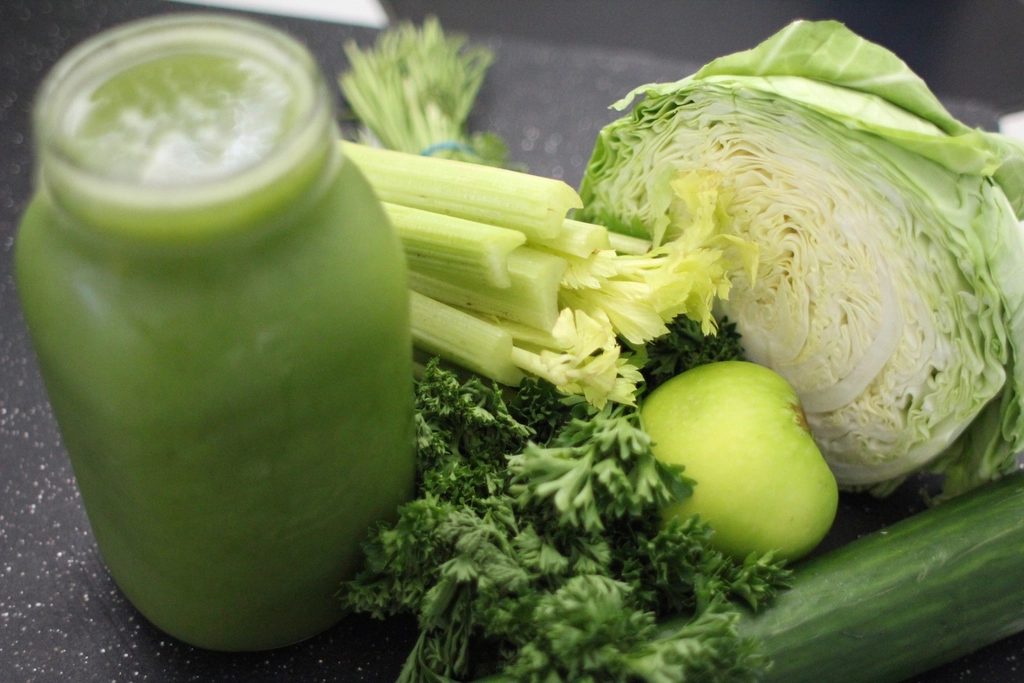
Quick overview: The best way to juice celery is with a slow masticating juicer, which presses the fibrous stalks gently to extract more juice and avoid the clogging and foaming you get from high-speed centrifugal machines. But you can also juice celery with a centrifugal juicer or even a blender and a strainer if that is what you own. This guide covers the best method, prep tips, the right way to handle a centrifugal juicer or blender, and how to store the juice — all without overcomplicating a genuinely simple drink. For help choosing the ideal machine, see our Best Juicers guide.
Why Celery Is Tricky to Juice
Celery is mostly water — which is great for yield — but it is also long and stringy. Those tough fibres are exactly what high-speed centrifugal juicers struggle with: the strands wrap around the spinning blade, clog the mesh basket, and force you to stop and clear the machine. Centrifugal juicers also introduce heat and air that cause celery juice to foam and oxidise quickly. A slow masticating juicer sidesteps both problems by crushing and pressing the stalks at low speed, which is why it is the recommended tool for celery.
The Best Method: Masticating (Slow) Juicer
A masticating juicer running at 40 to 100 RPM is the ideal choice for celery. The slow auger presses the stalks thoroughly, extracting more juice with less foam and minimal heat, and the fibre passes through cleanly instead of tangling. Here is the step-by-step method.
- Choose fresh, firm celery. Look for crisp, deep-green stalks. Limp celery yields less and tastes flat. A standard large bunch yields roughly one to two cups of juice, depending on freshness and your machine’s efficiency.
- Wash thoroughly. Celery grows in sandy soil and traps grit between the ribs. Rinse each stalk under running water, paying attention to the base.
- Trim and cut to fit. Cut off the root base and any browning leaf tips. Chop the stalks into pieces that fit your feed chute — usually a few inches long for a masticating juicer’s narrower opening.
- Feed slowly and steadily. Add a few pieces at a time and let the auger pull them through before adding more. Alternating direction of the stalks helps prevent any fibre buildup.
- Use the pulp adjustment if available. Many masticating juicers have an adjustable pulp-control cap; a tighter setting yields slightly more juice from watery produce like celery.
- Stir and serve. Give the juice a quick stir to even out the consistency, then drink it promptly for the best taste and freshness.
To squeeze out even more from each bunch, see our dedicated masticating juicer tips for maximum yield.
Juicing Celery in a Centrifugal Juicer
If you own a centrifugal juicer, you can still make celery juice — you just need to manage its weaknesses.
- Cut stalks shorter (around two to three inches) so the fibres are less likely to wrap around the blade in long strands.
- Alternate celery with firmer produce if you are making a blend — feeding a piece of apple or cucumber between celery pieces helps push the fibre through and clears the screen.
- Feed slowly rather than forcing a big bundle in at once, which clogs the basket.
- Stop and clear the screen if the juice flow slows — a clogged mesh kills yield.
- Drink it quickly. Centrifugal celery juice foams more and oxidises fast, so it is best consumed within about 24 hours and ideally right away.
Juicing Celery Without a Juicer (Blender Method)
No juicer at all? A blender and a strainer work in a pinch.
- Chop the washed celery into one-inch pieces.
- Add to a blender with a small splash of water — just enough to get the blades moving (about a quarter cup for a bunch).
- Blend until smooth, around 30 to 60 seconds.
- Strain through a nut-milk bag or fine sieve over a bowl, pressing the pulp with a spoon or squeezing the bag to extract the juice.
- Serve immediately. This method introduces more air, so drink it right away.
Choosing and Storing Celery Before You Juice
Yield and flavour start at the shop, not the juicer. A few habits make a real difference.
- Pick firm, upright bunches. Stalks should snap crisply, not bend. Deep-green outer stalks are more flavourful; pale inner stalks are milder.
- Avoid limp or rubbery celery. It has lost water content, which directly lowers your juice yield and dulls the taste.
- Store it to stay crisp. Celery keeps best wrapped in foil in the fridge, which lets ethylene gas escape while retaining moisture, or stood upright in a jar of water. Limp celery can often be revived by standing cut stalks in cold water for an hour before juicing.
- Organic vs conventional. Celery tends to retain surface residues, so if you buy conventional, wash it especially well; many regular juicers prefer organic for this reason. Either way, a thorough rinse is essential because of the grit between the ribs.
Common Celery-Juicing Mistakes
- Skipping the wash. Grit hidden between the ribs ends up in your glass — rinse every stalk, base included.
- Feeding long whole stalks into a centrifugal juicer. The fibres wrap the blade; cut them short.
- Juicing limp celery. Low water content means low yield and flat flavour.
- Letting it sit before drinking. Celery juice oxidises and loses its fresh taste quickly, especially from a centrifugal machine.
- Over-packing the chute. Forcing too much at once stalls the auger and leaves wetter pulp.
Should You Add Anything to Celery Juice?
Pure celery juice has a distinctive savoury, slightly salty taste that many people drink straight. If you find it too strong, these additions mellow it without overwhelming the drink:
- Cucumber — adds water and a mild, cooling flavour; also helps push celery fibre through a centrifugal juicer.
- Green apple — a touch of sweetness to balance the savoury edge.
- Lemon — brightens the flavour and the acidity slightly slows oxidation.
- Ginger — a small knob adds warmth and bite.
Purists who drink celery juice first thing in the morning often prefer it plain; there is no wrong answer — it comes down to taste.
How Much Celery Do You Need?
| Celery Amount | Approximate Juice Yield | Notes |
|---|---|---|
| 1 large bunch (about 1 head) | ~1 to 2 cups | Yield is higher with a masticating juicer |
| Half a bunch | ~½ to 1 cup | A typical single serving |
| 2 bunches | ~2 to 4 cups | Good for batching for one or two people |
Exact yield depends on how fresh and water-rich the celery is and how efficient your juicer is — masticating machines consistently extract more from the same amount of celery than centrifugal ones.
Making Celery Juicing a Sustainable Habit
The people who stick with celery juice long-term are the ones who make it effortless. A few practical habits help. Prep the celery the night before — wash, trim, and chop it, then store it ready to go so the morning routine is just feeding and pressing. Keep your juicer on the counter rather than in a cupboard; an appliance you have to drag out is one you will skip. Clean it immediately after juicing while the fibre is still wet, which takes only a few minutes. And buy celery in a quantity that matches how often you will actually juice, so it does not wilt in the fridge before you use it. None of these are complicated, but together they are the difference between a habit that lasts and a juicer gathering dust.
Storing Celery Juice
Celery juice is best fresh, but if you need to store it: refrigerate it in an airtight glass container filled to the very top to minimise air contact. Juice from a masticating juicer keeps well for around 72 hours; centrifugal celery juice is best consumed within about 24 hours because of faster oxidation. Adding a squeeze of lemon helps slow browning. For full storage guidance across all juices, see how long fresh juice lasts.
Getting the Most Juice From Each Bunch
Celery is mostly water, so yield rewards good technique. A few habits help you squeeze the most from every bunch.
- Use the leaves and base too. The leafy tops and the lower stalk both contain juice — only trim what is browning or damaged. Discarding the whole base wastes usable produce.
- Re-juice the pulp. With a masticating juicer, running the ejected celery pulp through a second time often yields a noticeable extra splash, because celery’s high water content means the first pass rarely captures everything.
- Feed at a steady pace. Let the auger fully press each batch before adding more; overloading leaves wetter pulp and lower yield.
- Keep the screen clear. Celery fibre can build up on the screen during a long session, slowing the flow — pause to rinse it if the juice slows.
For a deeper dive into extraction technique that applies to celery and every other green, see our masticating juicer tips for maximum yield.
Celery Juice Taste: What to Expect
If you have never had pure celery juice, the flavour can surprise you. It is savoury and slightly salty rather than sweet, with a fresh, green, almost grassy note. Fresher, deep-green stalks taste stronger; pale inner stalks are milder. Many people grow to enjoy it plain, while others always blend in cucumber, apple, lemon, or ginger to soften it. There is no nutritional or “correct” reason to drink it one way or the other — taste is the only thing that matters here, so adjust it until you actually look forward to drinking it. A drink you enjoy is one you will keep making.
Frequently Asked Questions
What is the best juicer for celery?
A masticating (slow) juicer is the best choice for celery. Its slow auger presses the fibrous stalks thoroughly, extracting more juice with less foam and minimal heat, and it avoids the clogging that celery causes in high-speed centrifugal juicers, where the long strands wrap around the blade and jam the mesh basket.
Can I juice celery in a centrifugal juicer?
Yes, but with some care. Cut the stalks shorter so fibres do not wrap around the blade, feed slowly, alternate with firmer produce like apple or cucumber to push the fibre through, and stop to clear the screen if the flow slows. Centrifugal celery juice also foams more and oxidises faster, so drink it promptly.
How do I juice celery without a juicer?
Use a blender and a strainer. Chop washed celery into one-inch pieces, blend with a small splash of water until smooth, then strain through a nut-milk bag or fine sieve, pressing or squeezing to extract the juice. Drink it immediately, as blending introduces more air and the juice oxidises quickly.
How much celery do I need for a glass of juice?
About half a large bunch of celery yields roughly half a cup to a cup of juice — a typical single serving — while a full large bunch yields around one to two cups. Yield depends on how fresh and water-rich the celery is and whether you use a masticating juicer, which extracts more than a centrifugal model.
Why does my celery juice foam?
Foaming is caused by air being whipped into the juice, which happens far more in high-speed centrifugal juicers than in slow masticating ones. To reduce foam, use a masticating juicer, feed the celery slowly, and drink the juice promptly. You can also skim the foam off the top before drinking if it bothers you.
Conclusion
Juicing celery is simple once you match the method to your machine. A masticating juicer is the best tool — it presses the fibrous stalks for higher yield, less foam, and longer-lasting juice. If you have a centrifugal juicer, cut the stalks short, feed slowly, and drink the juice quickly; if you have no juicer at all, a blender and strainer will do. Wash thoroughly, drink fresh, and add cucumber, apple, lemon, or ginger only if you want to soften the savoury flavour. For the right machine to make celery juicing effortless, see our Best Juicers guide.
Last updated: June 2026
See our main guide: Best Juicers.