Best Juicers for Leafy Greens (2026)
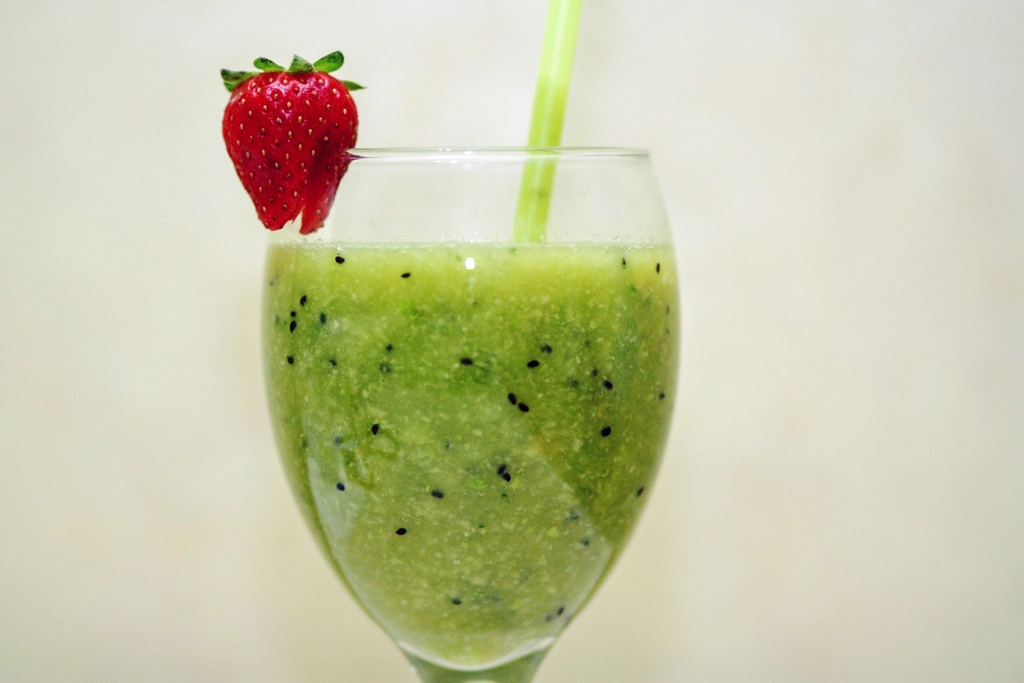
Quick Verdict: Leafy greens — kale, spinach, chard, herbs, and wheatgrass — are the hardest produce to juice because they have little mass for a blade to grab, so they reward a slow masticating or twin-gear machine and frustrate centrifugal ones. After synthesizing independent reviews and manufacturer specifications, our top overall pick for greens is the twin-gear Tribest Greenstar Elite GSE-5000, which reviewers credit with the highest yield and driest pulp from kale, spinach, herbs, and wheatgrass. For the best single-auger all-rounder, the Omega J8006HDS combines strong greens performance with everyday versatility.
Best Juicers for Leafy Greens at a Glance
| Award | Juicer | Best For | Type / Speed | Price Tier |
|---|---|---|---|---|
| Best Overall | Tribest Greenstar Elite GSE-5000 | Maximum greens & wheatgrass yield | Twin-gear / 110 RPM | $$$ Premium |
| Best All-Rounder | Omega J8006HDS | Greens plus everyday versatility | Horizontal / 80 RPM | $$ Mid |
| Best Compact Vertical | Omega VSJ843QS | Quiet, clear green juice | Vertical / 43 RPM | $$$ Premium |
| Best Hands-Free | Nama J2 | Batch green juice, walk away | Vertical / 50 RPM | $$$ Premium |
| Best for Tough Fiber | Tribest Slowstar SW-2020 | Greens, celery & herbs | Vertical single-auger / 47 RPM | $$$ Premium |
| Best Value | Omega NC900HDC | Greens on a sensible budget | Horizontal / 80 RPM | $$ Mid |
How We Picked the Best Juicers for Leafy Greens
Leafy greens are the ultimate juicer test. Centrifugal machines spin too fast to grab thin leaves, so they leak greens through with low yield. We focused entirely on slow masticating and twin-gear machines, comparing the models reviewers most often recommend for greens from Tribest, Omega, and Nama against their published specs and documented strengths. We have not lab-tested each machine; our notes reflect manufacturer data and reviewer consensus. Our criteria:
- Greens yield — Thin leaves are easy to waste. The best machines extract the most from kale, spinach, and herbs.
- Pulp dryness — Dry green pulp is the surest sign of efficient extraction.
- Wheatgrass capability — Wheatgrass is the toughest test; twin-gear and quality single-auger machines handle it.
- Low heat — Delicate green nutrients are heat-sensitive, so low RPM and minimal oxidation matter.
- Cleanup and clogging — Fibrous greens can clog; easy-clean designs and anti-clog augers help.
The 6 Best Juicers for Leafy Greens — Full Reviews
Best Overall — Tribest Greenstar Elite GSE-5000
Best for: Serious green-juice drinkers who want the highest possible yield from leaves and grasses.
For leafy greens, the twin-gear Tribest Greenstar Elite is in a class of its own. Its jumbo twin gears interlock to cut and crush thin leaves the way a single auger cannot, turning at a slow 110 RPM and using bioceramic and magnetic technology to maximize extraction. Reviewers consistently report a very high yield from kale, spinach, herbs, celery, and wheatgrass, with pulp described as extremely dry — the hallmark of minimal waste. Its long-run cycle suits large batches of greens, and the low speed keeps heat and oxidation down to protect delicate nutrients. It is the largest, heaviest, and most involved machine here to clean, so it rewards committed daily green juicers, but on raw greens performance nothing else here matches it.
Pros:
- Twin-gear design delivers top yield on greens and wheatgrass
- Extremely dry pulp means minimal waste
- Low 110 RPM protects heat-sensitive green nutrients
- Built for large batches of fibrous produce
Cons:
- Large, heavy, and premium-priced
- More parts to assemble and clean
Best All-Rounder — Omega J8006HDS
Best for: Buyers who want strong greens performance plus a versatile everyday machine.
The Omega J8006HDS offers the best overall combination of leafy-green performance, versatility, and ease of cleaning among single-auger machines. Its horizontal auger runs at 80 RPM, low enough to limit oxidation and protect green nutrients, and it produces dry pulp across greens, herbs, and harder produce alike. Crucially, it is not a one-trick machine — it doubles as a nut-butter, baby-food, and sorbet maker, and Omega’s 15-year warranty makes it a confident long-term buy. For most people who want excellent green juice without the size and cleanup of a twin-gear machine, this is the sweet spot.
Pros:
- Strong greens yield with dry pulp at 80 RPM
- Versatile multi-purpose functions
- Easier to clean than twin-gear machines
- 15-year warranty
Cons:
- Narrow chute means more pre-cutting
- Single auger yields a bit less on greens than twin-gear
Best Compact Vertical — Omega VSJ843QS
Best for: Small kitchens that want quiet, clear green juice.
The Omega VSJ843QS runs at just 43 RPM, making it one of the quietest machines here and helping it produce clear, low-foam green juice that resists separation. Reviewers specifically praise it for leafy greens and celery, where its dual-edged auger extracts well and leaves dry pulp. Its vertical design saves counter space, and the anti-clog auger handles fibrous greens better than many verticals. If juice clarity and a small footprint matter to you, it is an excellent greens machine.
Pros:
- Very slow 43 RPM for clear, low-foam green juice
- Strong greens and celery performance
- Space-saving vertical design
- Anti-clog auger
Cons:
- Premium price for a focused machine
- Less versatile than horizontal Omegas
Best Hands-Free — Nama J2
Best for: Green-juice drinkers who want to load a batch and walk away.
The Nama J2 makes daily green juicing nearly effortless. Its 70-ounce hopper holds a full batch of greens and other produce; close the lid and the 200-watt induction motor presses it at a slow 50 RPM while you do something else. Reviewers report smooth juice with low foam and dry pulp even from greens and softer produce, and dual strainers let you choose pulp level. A 15-year all-parts warranty backs it. It is a tall, premium machine, but for hands-off green juice every morning, it is the convenience leader.
Pros:
- Hands-free hopper handles a full batch of greens
- Quiet 50 RPM induction motor, low foam
- Dry pulp from greens and soft produce
- 15-year all-parts warranty
Cons:
- Tall design needs cabinet clearance
- Premium price
Best for Tough Fiber — Tribest Slowstar SW-2020
Best for: Households juicing greens alongside celery and other fibrous produce.
The Tribest Slowstar SW-2020 pairs a 200-watt motor with a duo-blade auger at 47 RPM, and its double-cutting design is excellent with fibrous produce — herbs, celery, and tougher greens included. The slow speed keeps oxidation low to protect delicate green nutrients, and an included mincing attachment adds sorbet and sauce capability. It is a single-auger vertical machine, so it keeps a manageable footprint while still delivering strong extraction on greens and fiber. For mixed green-and-fiber juicing, it is a versatile premium choice.
Pros:
- Duo-blade auger handles greens and fibrous produce well
- Low 47 RPM protects nutrients
- Mincing attachment adds versatility
- Manageable vertical footprint
Cons:
- Premium price
- Multiple parts to clean
Best Value — Omega NC900HDC
Best for: Buyers who want excellent green juice at a sensible mid-range price.
The Omega NC900HDC delivers the same low-RPM, low-oxidation extraction that makes greens juice so good, with a wider chute and five pressure settings to fine-tune fibrous produce. At 80 RPM it limits heat and protects delicate green nutrients, producing dry pulp and high yield, and it doubles as a multi-purpose food processor. With a 15-year warranty and a friendlier price than the premium verticals, it is the value pick for greens-focused juicers who also want a versatile everyday machine.
Pros:
- Low-oxidation greens extraction at a mid price
- Five pressure settings for fibrous produce
- Wide chute and multi-purpose functions
- 15-year warranty
Cons:
- Horizontal footprint uses counter depth
- More parts to clean than no-strainer designs
Leafy Greens Juicing Buying Guide
Greens demand the right machine. Here is how to choose for kale, spinach, herbs, and wheatgrass.
Twin-gear vs. single-auger
Twin-gear machines (Tribest Greenstar) extract the most from greens and are the only type that truly excels with wheatgrass, but they are large, heavy, and slower to clean. Single-auger masticating machines (Omega J8006, NC900, VSJ843) do greens very well too and are easier to live with. Choose twin-gear if greens and wheatgrass are your whole reason for juicing; otherwise a quality single auger is plenty.
Avoid centrifugal for greens
High-speed centrifugal juicers struggle with leafy greens because thin leaves do not have enough mass for the blade to grab, so yields are poor and waste is high. If greens are central to your routine, a slow juicer is essential.
Wheatgrass
Wheatgrass is the toughest test. Twin-gear machines handle it best; some single-auger Omegas can manage it but check that the specific model supports wheatgrass before relying on it.
Prep and clogging
Rolling leaves into tight bundles and feeding them with a harder vegetable (like a carrot or apple chunk) helps push greens through and reduces clogging. Alternate greens with firmer produce to keep the auger moving.
Low heat for nutrients
Green juice is prized for its delicate, heat-sensitive nutrients, so lower RPM and minimal oxidation matter more here than in fruit juicing. Every machine on this list is slow by design for that reason.
How to Juice Leafy Greens for Maximum Yield
Greens are the trickiest produce to juice, so technique makes a big difference. The most effective trick is to roll loose leaves into tight bundles before feeding them in — a compact bundle gives the auger something solid to grab, dramatically improving extraction over loose, floppy leaves. Even better, alternate greens with firmer produce: feeding a piece of carrot, apple, or cucumber right after a bundle of kale or spinach pushes the greens fully through the auger and prevents them from collecting unpressed in the chamber. This single habit can noticeably raise your green-juice yield on any masticating machine.
Freshness matters more with greens than almost any other produce. Wilted leaves yield less and oxidize quickly, so use crisp greens and juice them soon after washing. Green juice also oxidizes fast once made, which is why slow, low-heat extraction is so valuable here — it buys you a little more time. Drink green juice promptly, or store it cold in an airtight container filled to the top and consume it within a day. If your machine offers multiple strainers, the finer one produces a smoother green juice with less fiber.
Common Leafy Greens Juicing Mistakes to Avoid
- Feeding loose leaves. Floppy leaves slip past the auger. Roll them into tight bundles for far better extraction.
- Using a centrifugal juicer. Greens have too little mass for a high-speed blade. Use a masticating or twin-gear machine.
- Juicing greens alone. Alternating with firmer produce pushes greens through and lifts yield significantly.
- Letting juice sit. Green juice oxidizes quickly; drink it soon after juicing for the most nutrition and best taste.
- Expecting wheatgrass from any machine. Only twin-gear and some specialized single-auger juicers handle wheatgrass well — check before relying on it.
Frequently Asked Questions
What is the best type of juicer for leafy greens?
A slow masticating or twin-gear juicer is best for leafy greens. Twin-gear machines like the Tribest Greenstar Elite extract the most, while single-auger masticating machines like the Omega J8006 also do greens very well and are easier to clean. Centrifugal juicers are a poor choice for greens.
Can a centrifugal juicer juice kale and spinach?
Not effectively. Thin leaves do not have enough mass for a high-speed blade to grab, so a centrifugal juicer produces low yield and a lot of waste with greens. For kale, spinach, and herbs, a masticating juicer is the right tool.
What juicer is best for wheatgrass?
Twin-gear juicers like the Tribest Greenstar Elite are the gold standard for wheatgrass because their interlocking gears extract juice from the tough, thin grass that other machines can barely process. Some single-auger Omega models also handle wheatgrass; check the model’s specs.
How do I keep greens from clogging my juicer?
Roll leaves into tight bundles, alternate them with firmer produce like carrots or apples to push them through, and feed steadily rather than overloading. Choosing a machine with a fiber-friendly auger also helps.
Does green juice lose nutrients quickly?
Green juice oxidizes over time, so it is best consumed soon after juicing. Slow, low-heat masticating extraction limits oxidation compared with centrifugal juicing, which helps green juice keep its color and nutrients longer when stored cold in a sealed container.
How do I get more juice out of leafy greens?
Roll leaves into tight bundles, alternate them with firmer produce like carrots or cucumber to push them through, use fresh crisp greens rather than wilted ones, and feed steadily. On a masticating machine these habits can meaningfully increase yield, and dry pulp confirms you are extracting well.
Are twin-gear juicers worth it just for greens?
If leafy greens and wheatgrass are the main reason you juice and you do so frequently, a twin-gear machine like the Tribest Greenstar Elite delivers the highest yield and is worth the investment. If greens are only part of a varied routine, a quality single-auger masticating juicer does greens very well and is easier to clean and store.
Check current pricing before you buy — juicer prices fluctuate frequently, and the best deals shift month to month.
Last updated: June 2026
See our main guide: Best Juicers.