Elevating your cocktail game starts with the freshest ingredients, and at the heart of many exceptional drinks lies perfectly extracted juice. As an expert with over a decade in the juicer industry, I’ve seen countless models, from the robust commercial workhorses to the sleek home appliances, and I’m here to guide you through selecting the ideal juicer to transform your home bar. Whether you’re a seasoned mixologist or an aspiring home bartender, choosing the right juicer can dramatically impact the flavor, texture, and overall quality of your cocktails and mixers, making every sip an experience to savor. Let’s dive into the world of juicers to find your perfect match.
Popular Types of Juicers for Your Home Bar
Understanding the different types of juicers is the first step in making an informed decision for your cocktail needs. Each offers distinct advantages and disadvantages that influence juice quality, preparation time, and cleanup.
Masticating Juicers (Slow or Cold Press)
Masticating juicers operate at slow speeds, typically between 40-100 RPM, using an auger to crush and press fruits and vegetables against a screen. This slow process minimizes heat and oxidation, preserving more enzymes, vitamins, and the vibrant flavor of your produce.
- Pros: Produce high yields with very dry pulp, resulting in clear, pulp-free juice that’s ideal for refined cocktails. The juice also has a longer shelf life, often up to 48 hours when refrigerated, and these machines are generally quieter. They handle a wide variety of ingredients, including leafy greens and fibrous vegetables, which can be great for unique mixer concoctions.
- Cons: Slower juicing process, often requiring produce to be pre-cut into smaller pieces due to narrower feed chutes. They tend to be more expensive than centrifugal models and may involve more parts to clean.
Centrifugal Juicers
Centrifugal juicers are known for their speed. They use a rapidly spinning flat blade at the bottom of a mesh basket to shred produce, then centrifugal force separates the juice from the pulp.
- Pros: Extremely fast operation, often juicing a whole apple in seconds thanks to wide feed chutes that minimize prep time. They are typically more affordable and easier to assemble.
- Cons: High-speed rotation generates heat and introduces more air, leading to quicker oxidation, reduced nutrient content, and more foam in the juice. This foam and quicker oxidation can affect the freshness and appearance of cocktails. Yields are generally lower, resulting in wetter pulp. The noise level can also be quite high.
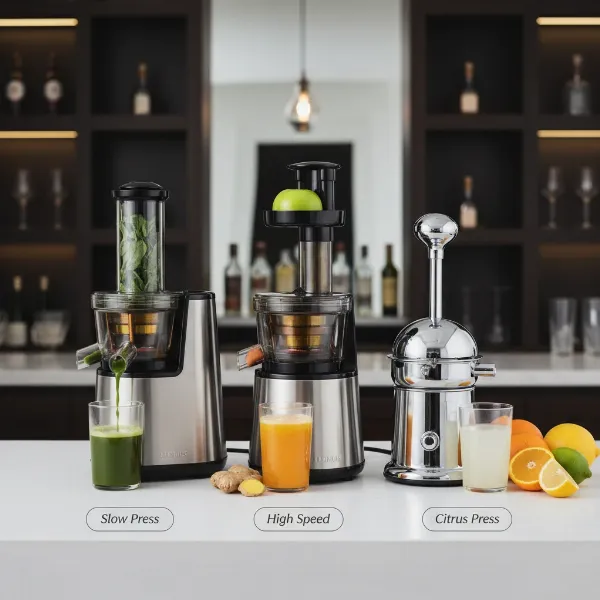 visual comparison masticating centrifugal citrus juicers for cocktail making
Citrus Juicers (Manual and Electric)
For cocktails that heavily rely on fresh lemon, lime, or orange juice, a dedicated citrus juicer is indispensable.
- Manual Citrus Juicers: These include handheld reamers and hand-press juicers. Hand-press juicers, often called “elbow” juicers, are particularly efficient at extracting juice from halves of citrus fruits with minimal effort, catching seeds and most pulp effectively. They are compact, affordable, and easy to clean, typically with a quick rinse or dishwasher cycle.
- Electric Citrus Juicers: These are faster for larger batches, often featuring a motorized reaming cone. They are ideal for high-volume needs, such as a busy home bar preparing drinks for a crowd.
- Pros: Excellent for quickly extracting pure, seed-free citrus juice. Manual options are portable and inexpensive. Electric models offer speed for batch juicing.
- Cons: Limited to citrus fruits. Manual versions can cause hand fatigue for large quantities.
Criteria for Choosing the Best Juicer for Cocktails and Mixers
Selecting the perfect juicer involves weighing several factors unique to cocktail preparation.
Power and Speed
The motor’s power and the juicer’s speed significantly influence its efficiency and the quality of the juice for your drinks.
- Masticating Juicers: Their low-speed, high-torque motors are crucial for thoroughly extracting juice from fruits, vegetables, and leafy greens, resulting in a purer, more concentrated liquid essential for balanced cocktail flavors.
- Centrifugal Juicers: While fast, their high speed can introduce air, leading to foamy juice, which is generally undesirable for cocktails where clarity and consistent texture are paramount. Look for models with variable speeds that can slow down for softer fruits, potentially reducing foam.
Material Quality
Durability and hygiene are key when it comes to juicer materials.
- Stainless Steel: Parts made from stainless steel are highly recommended for their durability, resistance to corrosion, and ease of cleaning. They don’t stain or retain odors, ensuring the pure taste of your ingredients.
- BPA-Free Plastics: For components that are not stainless steel, ensure they are made from high-quality, BPA-free plastics like Tritan. This guarantees food safety and longevity.
Design and Size
The physical design of your juicer impacts both its usability and how it fits into your kitchen or bar space.
- Ease of Assembly and Disassembly: A juicer with fewer, easily interlocking parts will make prep and cleanup much faster, encouraging more frequent use.
- Compact Footprint: For home bars or smaller kitchens, a compact design, especially for slow juicers, is beneficial. Vertical masticating juicers often take up less counter space.
- Feed Chute Size: While wider feed chutes mean less pre-cutting (convenient for centrifugal juicers), for masticating juicers, juice quality often outweighs the need for a super-wide chute, as you’ll typically be processing smaller amounts of diverse produce for cocktails.
- Pour Spout Stopper: A drip-stop feature on the spout helps prevent messy drips and allows you to mix different juices within the machine before dispensing, which is handy for bespoke mixer creations.
Additional Features
Consider these extra functionalities that can enhance your cocktail-making experience.
- Reverse Function: Essential for masticating juicers to clear jams when processing tougher or fibrous ingredients like ginger or leafy greens, common in craft cocktails.
- Dishwasher-Safe Parts: Many juicers offer dishwasher-safe components, drastically simplifying cleanup. Always check the manufacturer’s instructions.
- Pulp Control Filters: Some juicers come with different strainers (fine, coarse) to control the amount of pulp in your juice. For cocktails, a very fine strainer for silky-smooth juice is often preferred.
Comparison of Top Juicers for Cocktails and Mixers
Here’s a comparison of highly-rated juicers that excel in producing quality juice for cocktails and mixers. This list includes both masticating (slow) and centrifugal types, along with a top citrus-specific option.
| Juicer Model | Type | Key Features for Cocktails | Pros | Cons | Price Range (Approx.) |
|---|---|---|---|---|---|
| Nama J2 Cold Press Juicer | Masticating | High yield, low pulp, large hopper, self-feeding. | Excellent juice quality, minimal oxidation, batch juicing. | High price point, cleaning can be involved. | $550 – $650 |
| Hurom H400/H70 Slow Juicer | Masticating | High yield, low noise, easy to clean, minimal pulp. | Superior juice clarity, quiet operation, good for various produce. | Requires some pre-cutting, slower than centrifugal. | $300 – $500 |
| Omega NC800/900 HZ | Masticating | Horizontal design, excellent for leafy greens, versatile. | Great for wheatgrass/herbs, durable, multi-functional (nut butters). | Slower, smaller feed chute, cleaning small parts. | $250 – $350 |
| Breville Juice Fountain Cold Plus | Centrifugal | Fast, large capacity, cold spin technology. | Rapid juicing, large pitcher, relatively less heat than other centrifugal. | More foam than slow juicers, not ideal for leafy greens. | $150 – $250 |
| Nutribullet Slow Juicer | Masticating | Compact, wide-mouth hopper, quiet, dishwasher-safe parts. | Good entry-level slow juicer, easy to use, space-saving. | Yield might be slightly less than premium slow juicers. | $150 – $200 |
| Smeg CJF01 Citrus Juicer | Electric Citrus | Stylish, stainless steel reamer, pulp filter. | Aesthetically pleasing, efficient for citrus, easy to clean. | Limited to citrus, higher price for a single-purpose device. | $150 – $200 |
| Chef’n FreshForce Citrus Juicer | Manual Citrus | Ergonomic design, efficient leverage, seed/pulp catcher. | Highly efficient for citrus, affordable, durable, very easy to clean. | Manual effort for large batches, limited to smaller citrus. | $20 – $30 |
Using and Cleaning Your Juicer for Optimal Cocktail Creation
To maximize the performance and longevity of your juicer, especially for frequent cocktail making, proper usage and meticulous cleaning are paramount.
Guide to Optimal Juicing
- Prepare Your Produce: Wash all fruits and vegetables thoroughly. For masticating juicers, pre-cut produce into sizes that fit the feed chute to prevent jamming and ensure smooth operation. For centrifugal models, larger pieces are often acceptable.
- Juice in Batches: For best flavor and to avoid overworking the motor, especially with slower juicers, feed ingredients steadily rather than overloading the machine.
- Alternate Ingredients: When using a masticating juicer, alternate between hard and soft ingredients. This helps push through softer pulp and maximizes yield.
- Strain for Clarity: For ultra-smooth cocktails, consider double-straining your freshly extracted juice through a fine-mesh sieve or a nut milk bag to remove any remaining fine pulp. This step is especially beneficial for ingredients like ginger or berries.
Essential Cleaning and Maintenance
Immediate cleaning is the golden rule for any juicer. Dried pulp is significantly harder to remove.
- Disassemble Promptly: As soon as you finish juicing, unplug the machine and take apart all removable components.
- Rinse Immediately: Rinse all parts under warm running water to remove loose pulp and juice residue. A soft brush is invaluable for scrubbing the mesh filter, where pulp often gets stuck. Hold the filter up to the light to ensure all tiny holes are clear.
- Soak if Needed: For stubborn pulp or stains, soak the disassembled parts in warm, soapy water for about 10-15 minutes. For a deeper clean, a solution of hot water with 10% lemon juice or white vinegar can work wonders for dissolving mineral buildup and odors, especially for plastic components.
- Scrub Thoroughly: Use a soft-bristled brush or the cleaning brush provided with your juicer to scrub away any remaining residue. Avoid abrasive scrubbers that can scratch surfaces.
- Rinse and Dry: Rinse all parts thoroughly with clean water to remove any soap or cleaning solution. Allow them to air dry completely or wipe them with a microfiber cloth before reassembling or storing.
- Avoid Harsh Chemicals: Stick to natural cleaning agents like vinegar, lemon juice, and baking soda. Harsh chemicals can damage parts and leave residues that could affect your juice’s taste.
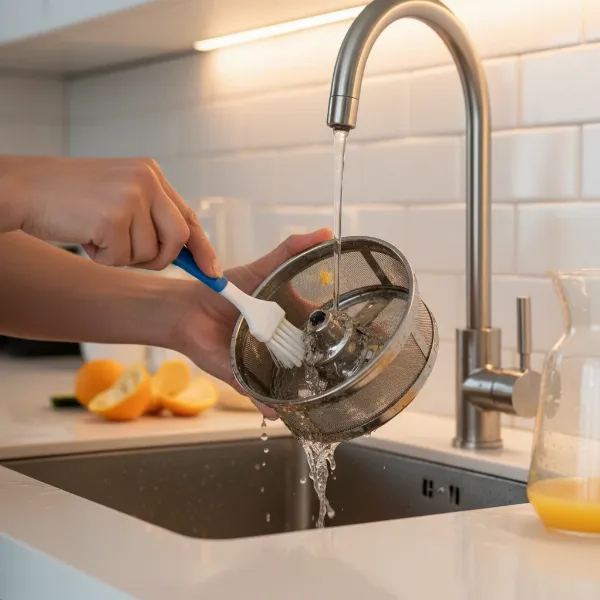 hands cleaning disassembled juicer parts under running water for cocktail juice prep
Where to Purchase Your Next Cocktail Juicer
Finding a reputable retailer is as important as choosing the right juicer itself. You want peace of mind regarding product quality, warranty, and customer support.
- Major Appliance Retailers: Large electronics and home goods stores (online and brick-and-mortar) often carry a wide selection of juicers from various brands. They typically offer competitive pricing and good return policies.
- Brand-Specific Websites: Purchasing directly from the manufacturer’s website can sometimes provide access to exclusive models, extended warranties, or special promotions.
- Online Marketplaces: Retailers like Amazon, Wayfair, or Target offer extensive options, often with detailed customer reviews and ratings that can provide real-world insights into a juicer’s performance for cocktail making. Be sure to check seller reputation and warranty information.
When buying online, always verify the seller’s legitimacy, review their return policy, and confirm the warranty details. A good warranty, especially on the motor (often 7-15 years for quality masticating juicers), indicates the manufacturer’s confidence in the product’s durability.
Your Ultimate Buying Guide for Cocktail Juicers
To ensure you select a juicer that truly enhances your cocktail-making journey, consider these steps:
- Define Your Needs:
- What ingredients will you juice most? If it’s mostly citrus for quick batches, a manual or electric citrus juicer might suffice. If you’re creating complex mixes with leafy greens, ginger, or soft fruits, a masticating juicer is superior.
- How often will you juice? Daily juicing calls for ease of cleaning and durability. Occasional use might allow for simpler, more budget-friendly options.
- How much juice do you need? For single cocktails, smaller manual options are fine. For entertaining a crowd, look for larger capacity models with continuous pulp ejection.