Best Citrus Juicers (2026)
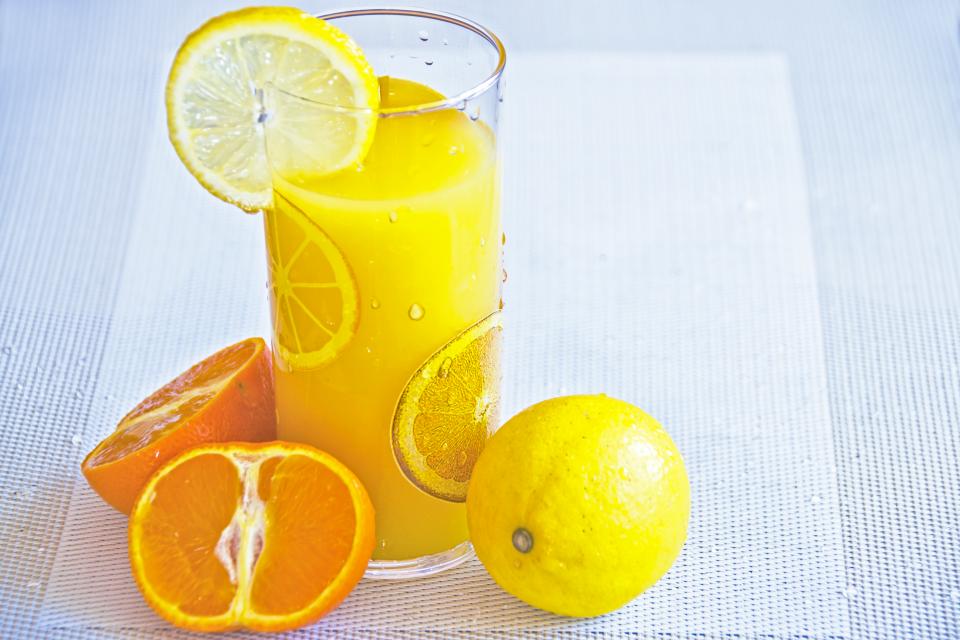
Quick Verdict: Citrus juicers are a category of their own — instead of an auger or shredding blade, they press halved oranges, lemons, limes, and grapefruit onto a spinning reamer to extract juice quickly and cleanly. After synthesizing independent reviews and manufacturer specifications, our top overall citrus pick is the Breville Citrus Press Pro (800CPXL), a die-cast electric press with a power-assisted lever and acid-resistant cone that reviewers rank at the top of the category. For precise pulp control at a friendly price, the Cuisinart Pulp Control CCJ-500 is the value standout.
Best Citrus Juicers at a Glance
| Award | Juicer | Best For | Type / Motor | Price Tier |
|---|---|---|---|---|
| Best Overall | Breville Citrus Press Pro 800CPXL | Max extraction, all citrus | Electric press / 110W | $$$ Premium |
| Best Value | Cuisinart Pulp Control CCJ-500 | Adjustable pulp on a budget | Electric reamer / 25W | $ Budget |
| Best Mid-Range | Breville Citrus Press BCP600 | Simple quality press | Electric press | $$ Mid |
| Best Compact | Cuisinart CCJ-100 Citrus Juicer | Small kitchens | Electric reamer / 20W | $ Budget |
| Best Manual | Zulay Metal Lemon Lime Squeezer | Occasional, no-power use | Hand press | $ Budget |
| Best Manual Press | Zulay Heavy-Duty Citrus Press | Effortless hand pressing | Lever press | $ Budget |
How We Picked the Best Citrus Juicers
Citrus juicing is a different job from whole-produce juicing — you are extracting from soft, segmented fruit, so reamer design and ease of pressing matter far more than motor wattage. We compared the brands that lead the citrus category — Breville, Cuisinart, and well-reviewed manual makers — against their published specifications and reviewer consensus. We have not personally lab-tested every model; our notes reflect manufacturer data and aggregated reviews. Our criteria:
- Extraction — A good reamer and press should wring nearly all the juice from each half with minimal effort.
- Citrus range — The best machines handle everything from small limes to large grapefruit, often with adjustable cones or auto-reversing reamers.
- Pulp control — Some buyers want pulp, others want it strained out; adjustable filters are a plus.
- Build and acid resistance — Citric acid is corrosive, so acid-resistant cones and durable materials matter.
- Cleanup — Dishwasher-safe parts make a daily glass of fresh juice painless.
The 6 Best Citrus Juicers — Full Reviews
Best Overall — Breville Citrus Press Pro 800CPXL
Best for: Anyone who wants maximum extraction and a premium, durable press for all citrus.
The Breville Citrus Press Pro is the machine reviewers rank at the top of the citrus category. It uses a 110-watt motor paired with a patented Quadra-Fin acid-resistant cone that maximizes extraction across every type of citrus, and an innovative active-arm press with a power-assisted lever makes pressing effortless — you simply lower the lever and the machine does the work. A safety switch prevents the cone from spinning until the arm is lowered and pressure is applied. Both the die-cast juicing cone and die-cast body resist corrosive citric acid, and the cone, juice collector, filter, and fruit dome are dishwasher safe. It is a premium appliance, but for heavy citrus users it is the benchmark for extraction and durability.
Pros:
- Power-assisted lever makes pressing effortless
- Quadra-Fin acid-resistant cone maximizes extraction
- Durable die-cast, acid-resistant construction
- Dishwasher-safe parts and a safety switch
Cons:
- Premium price
- Larger and heavier than simple reamers
Best Value — Cuisinart Pulp Control CCJ-500
Best for: Buyers who want adjustable pulp and reliable extraction without a premium price.
The Cuisinart Pulp Control Citrus Juicer (CCJ-500) delivers precise pulp customization with three settings — low, medium, and high — so you can dial in exactly how much pulp ends up in your glass. An auto-reversing cone handles everything from small limes to large grapefruit, and a final-spin feature maximizes juice extraction at the end of each press. It runs on a modest 25-watt motor that is plenty for citrus, and it is backed by a strong reputation across tens of thousands of reviews. For most households, it offers the best balance of features and price in the category.
Pros:
- Three-setting adjustable pulp control
- Auto-reversing cone fits limes to grapefruit
- Final-spin feature boosts extraction
- Excellent value and strong reputation
Cons:
- Plastic build is less premium than the Breville
- No power-assisted lever; you press by hand
Best Mid-Range — Breville Citrus Press BCP600
Best for: Buyers who want Breville quality in a simpler, more affordable press.
The Breville Citrus Press (BCP600) brings the brand’s quiet, efficient citrus pressing to a mid-range price. It uses an acid-resistant cone and a quiet, powerful motor that reviewers describe favorably, with a design focused on clean, efficient extraction from a range of citrus sizes. It lacks the heavy die-cast body and power-assisted lever of the Pro model, but it keeps the core strengths — good extraction, acid resistance, and easy cleanup — at a more accessible price. For households that want Breville reliability without the premium outlay, it is a smart middle ground.
Pros:
- Quiet, efficient Breville extraction
- Acid-resistant cone
- More affordable than the Pro
- Easy to clean
Cons:
- No power-assisted lever
- Lighter build than the die-cast Pro
Best Compact — Cuisinart CCJ-100 Citrus Juicer
Best for: Small kitchens and light, everyday citrus juicing.
The Cuisinart CCJ-100 is a compact, no-frills electric citrus juicer that covers the essentials. A 20-watt motor drives an auto-reversing reamer that adjusts to different citrus sizes, and a snap-up pour spout makes serving and storage tidy. It has fewer features than the CCJ-500 — no adjustable pulp control — but it is smaller, cheaper, and dead simple to use and clean, making it a great pick for someone who just wants a quick glass of fresh orange juice without a large appliance on the counter.
Pros:
- Compact and affordable
- Auto-reversing reamer fits various citrus
- Snap-up pour spout for tidy storage
- Simple to use and clean
Cons:
- No adjustable pulp control
- Small capacity for big batches
Best Manual — Zulay Metal Lemon Lime Squeezer
Best for: Occasional use, lemons and limes, and anyone who wants no electricity and easy storage.
Not everyone needs a motor. The Zulay metal hand squeezer is a durable, no-power option for lemons and limes — perfect for a splash of fresh juice on food or in a drink. Its sturdy build presses fruit cleanly while keeping seeds out of your glass, and it stores in a drawer rather than on the counter. It will not produce a tall glass of orange juice efficiently, but for everyday citrus accents it is inexpensive, reliable, and effortless to clean.
Pros:
- No power needed; stores in a drawer
- Durable metal build keeps seeds out
- Inexpensive and easy to clean
- Great for lemons and limes
Cons:
- Not efficient for large batches or oranges
- Requires hand strength
Best Manual Press — Zulay Heavy-Duty Citrus Press
Best for: Buyers who want effortless hand pressing for oranges and grapefruit without a motor.
The Zulay heavy-duty lever press uses mechanical leverage to make hand juicing nearly effortless, handling larger citrus like oranges and even grapefruit. Its sturdy cast construction and long handle let you extract a lot of juice with little force, and with no electronics to maintain it is built to last. It takes up more space than a hand squeezer but far less than an electric press, and it produces clean juice with minimal cleanup. For anyone who wants the simplicity and durability of a manual tool with the extraction power closer to an electric machine, it is a satisfying middle path.
Pros:
- Mechanical leverage makes pressing easy
- Handles oranges and grapefruit
- Durable, no electronics to fail
- Clean juice, minimal cleanup
Cons:
- Bulkier than a hand squeezer
- Slower than an electric press for big batches
Citrus Juicer Buying Guide
Citrus juicers are simpler than whole-produce machines, but choosing the right one still comes down to a few key questions.
Electric vs. manual
Electric presses and reamers (Breville, Cuisinart) are the way to go if you make orange or grapefruit juice regularly or in volume — they extract more with less effort. Manual squeezers and lever presses (Zulay) are inexpensive, take no power, and store easily, making them ideal for occasional use and for lemons and limes.
Citrus size range
If you juice everything from limes to grapefruit, look for an auto-reversing reamer or adjustable cone that adapts to different sizes. The Cuisinart auto-reversing cone and Breville’s universal cone both handle the full range.
Pulp control
Some people love pulp, others want it strained out. Machines like the Cuisinart CCJ-500 offer adjustable pulp settings; simpler models give you a single filter. Decide your preference before buying.
Acid resistance and durability
Citric acid is corrosive over time. Acid-resistant cones and die-cast construction (as on the Breville Citrus Press Pro) hold up better to daily use than basic plastic. If you juice citrus every day, build quality pays off.
Cleanup
Look for dishwasher-safe cones, filters, and collectors. Citrus juicers are generally easy to clean, but fewer parts and dishwasher compatibility make a daily glass of fresh juice effortless.
How to Get the Most Juice From Citrus
A few simple steps noticeably increase citrus yield. Start with room-temperature fruit — cold citrus straight from the fridge is firmer and releases less juice, so let it sit out for a bit or warm it briefly. Before pressing, roll each piece firmly on the counter under your palm to break the internal membranes; this small step can meaningfully boost how much juice comes out. Cut the fruit across the segments (equator) rather than pole to pole so the reamer engages the most juice-filled cells, and press fully, letting any final-spin or power-assist feature complete its cycle to wring out the last of the juice.
Fresh citrus juice tastes best right away and begins to lose brightness within hours, so juice close to when you’ll drink it. If you press a larger batch, store it cold in an airtight container filled to the top and use it within a day or two. To keep your machine in good shape, rinse the cone, filter, and collector promptly after juicing — citric acid is corrosive over time, and acid-resistant cones still last longer when they’re cleaned regularly rather than left to sit with pulp and juice on them.
Common Citrus Juicing Mistakes to Avoid
- Juicing cold fruit. Room-temperature citrus yields more. Warm it up or roll it firmly first.
- Skipping the roll. Rolling fruit on the counter breaks membranes and increases yield noticeably.
- Pressing too briefly. Let the reamer or press finish its cycle to extract the last of the juice.
- Leaving acid on parts. Citric acid corrodes over time; rinse cones and filters promptly after use.
- Using a whole-produce juicer for citrus. The pith adds bitterness; a dedicated citrus press tastes better and is faster.
Frequently Asked Questions
Can a regular juicer juice citrus?
A masticating or centrifugal juicer can juice peeled citrus, but it is not the ideal tool — the white pith can make juice bitter, and you waste the convenience of a press. A dedicated citrus juicer presses halved fruit directly on a reamer, which is faster, cleaner, and tastes better for oranges, lemons, limes, and grapefruit.
Are electric citrus juicers worth it?
If you make fresh citrus juice regularly or in volume, yes — electric presses extract more juice with far less effort than squeezing by hand. For occasional use or just lemons and limes, an inexpensive manual squeezer is perfectly adequate.
What is the best citrus juicer for grapefruit?
Look for a machine with a large or universal cone and strong extraction. The Breville Citrus Press Pro handles grapefruit well thanks to its power-assisted lever and universal cone, and the Cuisinart CCJ-500’s auto-reversing cone also accommodates grapefruit. For a manual option, a heavy-duty lever press works for grapefruit too.
Do citrus juicers remove pulp and seeds?
Most have a built-in filter that catches seeds and lets you control pulp. Models like the Cuisinart CCJ-500 offer adjustable pulp settings so you can choose how much makes it into your glass, while simpler models strain to a fixed level.
How do I get the most juice from citrus?
Bring fruit to room temperature and roll it firmly on the counter before juicing to break the internal membranes. Use a press with good extraction, press fully, and on machines with a final-spin or power-assist feature, let it finish the cycle to wring out the last of the juice.
Is a manual or electric citrus juicer better?
It depends on how much you juice. Electric presses and reamers extract more with far less effort and are the better choice for regular or high-volume citrus juicing. Manual squeezers and lever presses are inexpensive, need no power, store easily, and are perfectly adequate for occasional use and for lemons and limes.
Do citrus juicers work on pomegranates or other fruit?
Citrus juicers are designed specifically for citrus halves pressed on a reamer, so they are not suited to pomegranates, apples, or vegetables. Some lever presses can handle a halved pomegranate, but for non-citrus produce you’ll want a masticating or centrifugal juicer instead.
Check current pricing before you buy — juicer prices fluctuate frequently, and the best deals shift month to month.
Last updated: June 2026
See our main guide: Best Juicers.