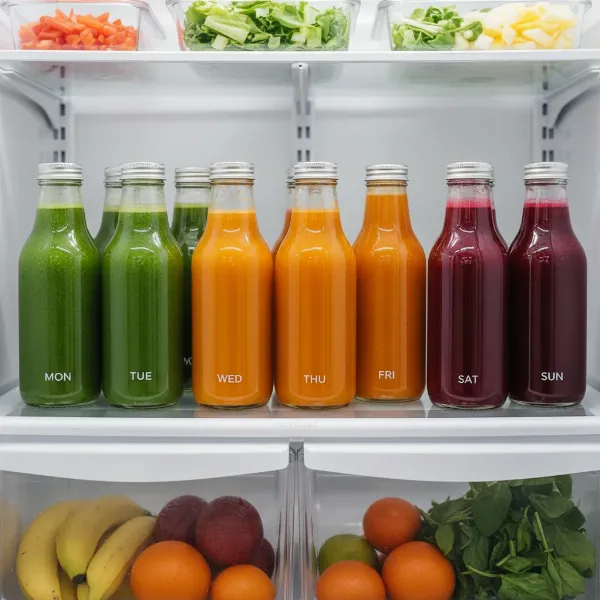
Stepping into the world of fresh juice can be both exciting and a little overwhelming, especially with terms like “cold press” and “slow press” often used interchangeably. As an Admin for JuicerBest.com, with over a decade immersed in juicer technology, I understand this confusion firsthand. Many people wonder if these two terms refer to the same type of machine or if there’s a subtle but significant distinction that impacts the quality of their daily juice. This article will demystify the terminology, explore the unique mechanisms behind these juicers, and guide you in choosing the perfect machine to elevate your health and wellness journey.
Understanding Juicer Technologies: Centrifugal, Masticating, and Hydraulic
To truly grasp the essence of cold press and slow press juicers, it’s helpful to understand the broader landscape of juicing technologies. At one end, you have centrifugal juicers, which are typically faster and more affordable. These machines operate by using fast-spinning blades to shred produce, then rapidly spinning the pulp against a mesh filter to extract juice. While quick, this high-speed action generates heat and introduces air, leading to oxidation and potentially reducing nutrient content.
In contrast, masticating juicers employ a slower, gentler approach. Often referred to as “slow juicers,” these machines use a single auger (a large, slow-turning screw) to crush and grind fruits and vegetables, mimicking the action of chewing. The produce is pressed against a screen, separating the juice from the pulp. This method operates at much lower RPMs (revolutions per minute), typically between 40 and 100, which significantly minimizes heat buildup and oxidation.
Then there’s the more specialized category of hydraulic cold press juicers. While home masticating juicers are commonly marketed as “cold press” due to their low-heat operation, true hydraulic cold press systems involve a two-stage process. First, produce is finely ground into a pulp, and then this pulp is wrapped in cloth and subjected to immense pressure from a hydraulic press to extract every last drop of juice. These are more common in commercial juice bars for their exceptional yield and quality, producing juice that can last longer due to minimal oxidation.
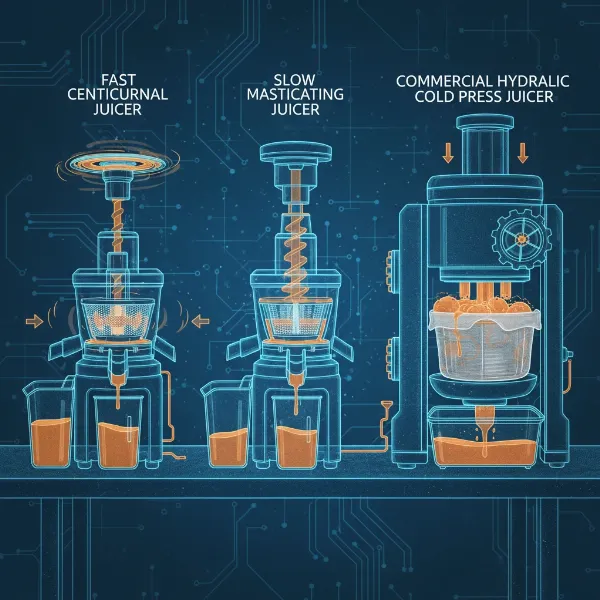 An illustration of three types of juicers side-by-side: a fast centrifugal juicer, a slow masticating juicer, and a large commercial hydraulic cold press juicer, highlighting their different mechanisms.
Cold Press and Slow Press: Are They the Same?
For most home consumers, the terms “cold press juicer” and “slow press juicer” (along with “masticating juicer”) are largely synonymous. They all describe the same fundamental principle: extracting juice slowly and without significant heat. This gentle process is key to their shared benefits, as it preserves vital enzymes, vitamins, and minerals that can be degraded by heat and oxidation.
The reason for the interchangeable terminology stems from their shared goal of “cold” extraction, meaning the juice remains cool throughout the process, and the “slow” nature of their operation. While some might argue for a strict definition where “cold press” refers exclusively to the two-stage hydraulic method, in the context of residential appliances, a slow-masticating juicer effectively delivers “cold-pressed” quality juice by avoiding the heat and aeration of centrifugal models. Thus, if you’re shopping for a juicer for your kitchen, you can confidently consider slow press and masticating juicers to be your gateway to cold-pressed juice.
The Core Advantages of Slow/Cold Press Juicing
Choosing a slow or cold press juicer brings a host of benefits that significantly enhance your juicing experience and the nutritional value of your drinks. These advantages are why many health enthusiasts prefer them over faster alternatives.
Superior Nutrient Retention
|
Our Picks for the Best Juicer in 2026
As an Amazon Associate I earn from qualifying purchases.
|
||
| Num | Product | Action |
|---|---|---|
| 1 | Cold Press Juicer Machines with 5.8\" Large Feed Chute, Juicer for Whole Vegetables & Fruits, High Juice Yield (Grey) |

|
| 2 | Juicer Machines with 5.8\" Large Feed Chute, Cold Press Juicer for Whole Vegetables and Fruits 400W, Slow Masticating juicer Easy to Clean Juice Extractor Machine High Juice Yield |
|
| 3 | Juicer Machines, Juilist 3\" Wide Mouth Juicer Extractor Max Power 800W, for Vegetable and Fruit with 3-Speed Setting, 400W Motor, Easy to Clean |
|
| 4 | AMZCHEF Cold Press Juicer, Juicers Machines - 5.4\" Large Feed Chute for Whole Fruits & Vegetables, Stainless Steel Slow Masticating Juice Easy to Clean, Large Auger, Triple Strainers |
|
| 5 | Ninja NeverClog Cold Press Juicer, Powerful Slow Juicer with Total Pulp Control, Countertop, Electric, 2 Pulp Functions, Dishwasher Safe, 2nd Generation, Charcoal, JC151 |
|
| 6 | Qcen Juicer Machine, 800W Centrifugal Juicer Extractor with Wide Mouth 3” Feed Chute for Fruit Vegetable, Easy to Clean, Stainless Steel, BPA-free (Black) |
|
| 7 | Ninja NeverClog Cold Press Juicer, Powerful Slow Juicer with Total Pulp Control, Countertop, Electric, 2 Pulp Functions, Dishwasher Safe, 2nd Generation, Blue/Navy, JC151NV |
|
| 8 | Qcen Juicer Machine, 500W Centrifugal Juicer Extractor with Wide Mouth 3” Feed Chute for Fruit Vegetable, Easy to Clean, Stainless Steel, BPA-free (Black) |
|
| 9 | Hamilton Beach Juicer Machine, Big Mouth 3” Feed Chute for Whole Fruits and Vegetables, Easy to Clean, Centrifugal Extractor, Vegetable & Fruit Juicer, BPA Free, 800W Motor, Black |
|
| 10 | Juicer Machines, 5.3\" Wide Feed Chute Cold Press Juicer for Whole Vegetables & Fruits, High Juice Yield, BPA Free (Slivery) |
|
One of the most compelling reasons to opt for a slow or cold press juicer is its ability to preserve nutrients. By operating at low speeds, these machines minimize heat generation and exposure to air, which are the primary culprits behind nutrient degradation and oxidation. This means the delicate enzymes, vitamins, and minerals in your fruits and vegetables remain largely intact, offering you a more nutrient-dense beverage. You’re truly getting the most out of your produce, ensuring every sip contributes meaningfully to your well-being.
Higher Juice Yield
Slow juicers excel at extracting more liquid from your produce, leading to a higher juice yield compared to centrifugal models. Their powerful augers meticulously crush and squeeze every last drop, resulting in significantly drier pulp. This is particularly noticeable with leafy greens like kale and spinach, and fibrous vegetables such as celery, which centrifugal juicers often struggle with. Over time, this efficiency can lead to considerable savings on your grocery bill, as you’ll need less produce to achieve your desired juice volume.
Enhanced Flavor and Texture
The slow extraction method not only preserves nutrients but also delivers a superior taste and texture. Cold-pressed juice is typically smoother, richer in color, and far less foamy than juice made with a high-speed juicer. The minimal aeration prevents rapid separation, allowing the flavors to meld beautifully and providing a more pleasant drinking experience. Many describe the taste as purer and more vibrant, truly capturing the essence of the fresh ingredients.
Extended Shelf Life
Thanks to reduced oxidation, juice produced by slow or cold press juicers boasts a longer shelf life. While juice from centrifugal machines is best consumed immediately (within 24 hours), cold-pressed juice can remain fresh, vibrant, and nutritionally potent for up to 72 hours when stored properly in an airtight container in the refrigerator. This allows for batch juicing, making it easier to incorporate fresh juice into a busy schedule without daily preparation.
Quieter Operation
For those who prefer a peaceful kitchen environment, slow and cold press juicers are a clear winner. Their low-RPM motors operate with significantly less noise compared to the loud, whirring motors of centrifugal juicers. This quiet operation makes it possible to prepare your morning juice without waking the entire household or disrupting other activities, contributing to a more enjoyable daily routine.
Key Considerations: Speed, Cost, and Cleaning
While the benefits of slow and cold press juicers are substantial, it’s important to acknowledge some practical considerations before making a purchase. Understanding these aspects will help you set realistic expectations and choose a machine that truly fits your lifestyle.
Slower Juicing Process
As their name suggests, slow juicers operate at a more deliberate pace. This means the juicing process itself will take longer than with a centrifugal juicer. You’ll also often need to cut your produce into smaller pieces to fit into the typically narrower feed chutes, adding to the overall preparation time. For individuals with very busy mornings or those who value speed above all else, this slower process might require an adjustment to their routine. However, the superior quality and longer shelf life often make the extra time investment worthwhile.
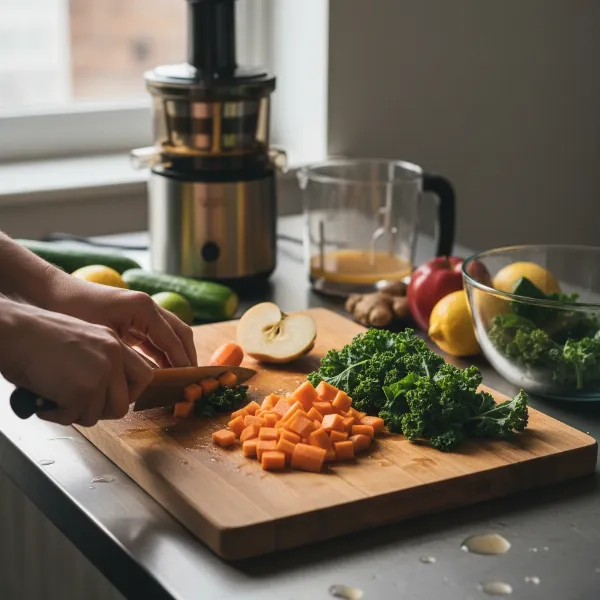 A person preparing fruits and vegetables for a slow press juicer, showing cut produce next to the juicer, indicating the prep time involved.
Initial Investment
Generally, slow and cold press juicers come with a higher upfront cost than centrifugal models. This is due to their robust motor designs, specialized auger mechanisms, and higher quality materials engineered for durability and efficient, gentle extraction. While this represents a larger initial investment, many users find it justified by the enhanced juice quality, greater nutrient retention, and the longevity of the appliance. Considering the potential savings from higher juice yield, the long-term value can often outweigh the initial price tag.
Preparation and Cleanup
Compared to the sometimes “load and go” nature of centrifugal juicers, slow press machines can require a bit more effort in terms of preparation and cleanup. As mentioned, most models necessitate chopping produce into manageable sizes. Cleaning involves disassembling several components, including the auger, screen, and pulp chute, and scrubbing them to remove fibrous residue. While many parts are often dishwasher-safe, hand washing is frequently recommended to preserve their lifespan. However, manufacturers are continually innovating to make these processes more user-friendly, with many modern designs featuring fewer parts and improved cleaning tools.
How to Choose the Right Juicer for Your Lifestyle
Selecting the ideal juicer involves a thoughtful assessment of your personal needs, habits, and priorities. What works perfectly for one person might not be the best fit for another, even among the highly-regarded slow and cold press categories.
First, consider your juicing frequency and the types of produce you intend to juice most often. If you plan to juice daily and prioritize nutrient-rich concoctions featuring leafy greens, wheatgrass, or soft fruits, a slow press (masticating) juicer is undoubtedly your best bet. Its efficiency with these ingredients is unmatched. If you occasionally juice harder fruits like apples and carrots and speed is paramount, a centrifugal might be considered, though it comes with the trade-offs in quality.
Next, factor in your budget. While slow press juicers have a higher entry price, remember to view it as an investment in your health and a potential long-term saving on produce. Determine how much you’re willing to spend, keeping in mind the balance between cost and the quality/features offered.
Finally, think about your kitchen space and desired level of convenience. Some slow juicers can be quite compact, while others are bulkier. Consider ease of assembly, disassembly, and cleaning. If the idea of a slightly longer process doesn’t deter you from enjoying superior juice, a slow or cold press juicer will likely be an excellent addition to your healthy lifestyle.
Expert Insight on Juicer Selection
> “In an era where processed foods dominate, investing in a juicer that truly preserves the living essence of fruits and vegetables is paramount. Prioritizing slow, cold extraction ensures you’re not just drinking juice, but consuming vital life force for optimal well-being.” – Admin, JuicerBest.com
Buying Guide: What to Look for in a Cold Press/Slow Juicer
When you’re ready to invest in a cold press or slow juicer, several key specifications and features will guide you toward the best model for your needs.
- RPM (Revolutions Per Minute): Look for lower RPMs, typically between 40-80. Lower speeds mean less heat and oxidation, translating to higher nutrient preservation and better juice quality.
- Motor Power: A robust motor (often measured in watts or horsepower) is crucial, especially if you plan to juice tough, fibrous vegetables or hard fruits regularly. A powerful motor ensures smooth operation and prevents stalling.
- Materials: Opt for high-quality, food-grade materials. BPA-free plastics are essential for health safety, and stainless steel components offer durability and resist staining and odors. The auger and screens should be made from sturdy, long-lasting materials.
- Feed Chute Size: While many slow juicers have narrower feed chutes requiring pre-chopping, some newer models feature wider chutes that can accommodate larger pieces of produce, potentially saving you prep time. Evaluate if the convenience of a wider chute is important to you.
- Ease of Assembly and Cleaning: Juicers with fewer parts and simple assembly designs will save you time and frustration. Look for models that come with dedicated cleaning brushes or scraper tools, and check if components are dishwasher-safe for added convenience.
- Warranty: A comprehensive warranty is a strong indicator of a manufacturer’s confidence in their product’s durability. Longer warranties, especially on the motor, provide peace of mind for your investment.
Mua Máy Ép Trái Cây Ở Đâu?
While the core of this article focuses on the technical aspects, knowing where to purchase a quality juicer is equally important. You can find reliable cold press and slow juicers at major electronics retailers, specialized kitchen appliance stores, and reputable online marketplaces. When buying online, always check seller reviews, product specifications, and the return policy. Ensure that the retailer offers a valid manufacturer’s warranty and good customer service for any potential issues. Local stores might offer the advantage of hands-on inspection and immediate assistance, while online platforms often provide a wider selection and competitive pricing. Always prioritize trusted brands known for their quality and support.
Frequently Asked Questions
What is a masticating juicer?
A masticating juicer, also known as a slow juicer or cold press juicer, extracts juice by slowly crushing and grinding produce with an auger. This process minimizes heat and oxidation, resulting in nutrient-rich juice with a longer shelf life.
How long does cold press juice last?
Cold press juice, due to its low-oxidation extraction process, typically lasts up to 72 hours when stored in an airtight container in the refrigerator. This is significantly longer than juice from centrifugal juicers, which should be consumed within 24 hours.
Can I juice leafy greens in a slow press juicer?
Yes, slow press juicers are exceptionally effective at juicing leafy greens such as kale, spinach, and wheatgrass. Their masticating action efficiently extracts juice from fibrous produce, yielding more juice and drier pulp compared to other juicer types.
Is a cold press juicer worth the extra cost?
Many find a cold press juicer to be a worthwhile investment due to its ability to produce higher quality, more nutrient-dense juice with a longer shelf life. While the initial cost is higher, the superior juice yield and health benefits often justify the expense for dedicated juicers.
What’s the main difference between cold press and centrifugal juicers?
The main difference lies in their extraction method. Cold press juicers operate slowly, crushing and pressing produce to minimize heat and oxidation, thus preserving nutrients. Centrifugal juicers use fast-spinning blades that generate heat and air, leading to faster nutrient degradation and oxidation.
Conclusion
The journey into fresh juicing often begins with a fundamental question: are cold press and slow press juicers the same? As we’ve explored, for the home user, these terms largely refer to the same innovative technology designed to maximize nutrient retention and flavor. By understanding the distinct advantages—from superior juice quality and higher yields to extended freshness—you can confidently choose a slow or cold press juicer that aligns with your health goals. While they may require a bit more patience and a larger initial investment, the long-term benefits for your wellness are undeniable. Ready to transform your health with vibrant, enzyme-rich juices? Which slow juicer feature are you most excited to experience in your daily routine?